




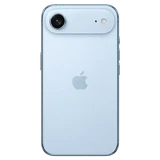

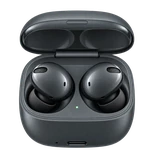
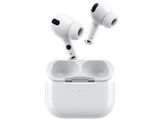




Technology moves fast. Understanding it shouldn’t be this hard.
iDevice.com is an independent buyer’s guide to phones, smart glasses, watches, rings, earbuds and the devices that come next. It is published by iDevice Media LLC, a New Mexico company.
A new product launches. Another one is already being talked about. Reviews disagree. Prices change. Software updates add features. Problems emerge. Old information stays online long after it stops being useful.
There is more information about products than ever.
That does not mean it is easier to make a decision.
iDevice keeps one living record for each product we cover: independent, sourced and kept useful as the product changes.
Not more noise. Not more tabs. A better answer.
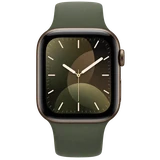
Apple Watch Series 11
2025
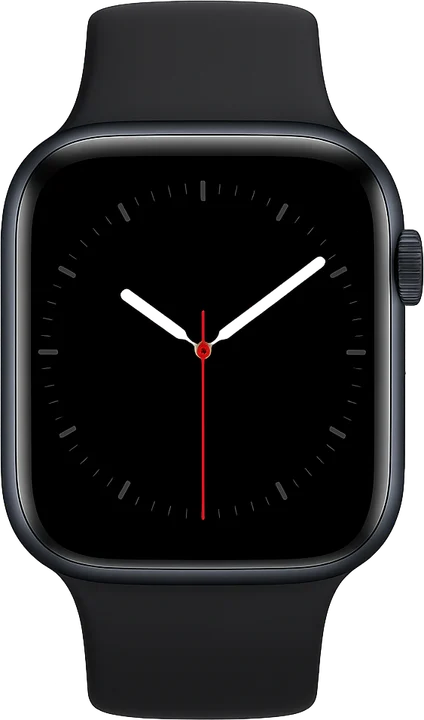
What changed?
Apple Watch Series 12
2026
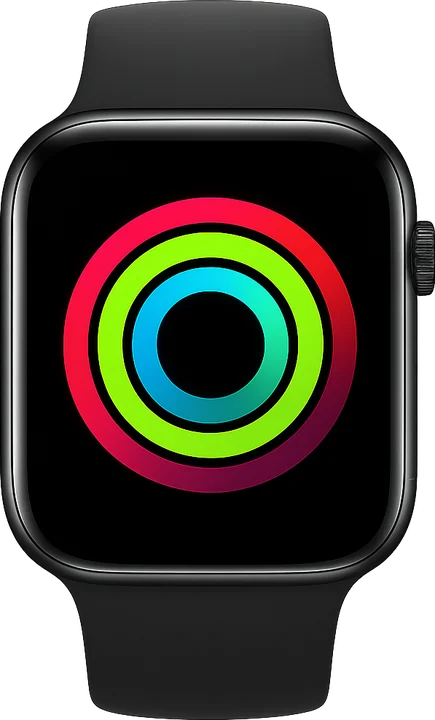
What you can buy now
Next Apple Watch
Not yet announced
What are we expecting?
We built iDevice for the question behind the search.
Most people researching a product are not trying to become experts.
They are trying to decide something.
Should I buy this one or wait? What actually changed? Will it work with what I already own? Is the more expensive model worth it? What do people who have used it actually think?
The answers usually exist. They are just scattered across manufacturer pages, reviews, retailer listings, old announcements, news stories and reports published months apart.
We bring those answers together around the product itself.
That is what an iDevice Guide is built to do.
- Should I buy it or wait?
- What actually changed?
- Will it work with what I already own?
- Is the more expensive one worth it?
One product. One living record.
Launch day is only one moment in a product’s life.
Before launch there are reports and expectations. Then come the announcement, the price and the release date. Reviews follow. Software changes what the product can do. Prices move. Compatibility changes. Problems emerge. Eventually a replacement arrives.
Most coverage treats those moments as separate stories. iDevice keeps them connected.
Depending on the product, a Guide brings together what it does, what it costs, its specifications, what works with it, how it compares, what reviewers found, what changed from the model before, what has been reported about what comes next, and the sources behind the important facts. When the product changes, the Guide changes with it.
Start with a product. See the bigger picture.
Built around products, not the news cycle.
The internet is very good at telling you what happened today. It is much worse at remembering what happened six months ago and connecting it to what matters now.
We think that history matters.
What reviewers found after launch tells us which problems were real. What manufacturers changed later tells us what mattered. What an earlier model got wrong helps explain why the new one exists. And when earlier expectations can be compared with what eventually happened, new reporting has more context.
Every product adds to the record.
Every update makes that record more useful.
Every answer gives the next question more context.
AirPods Pro
2019
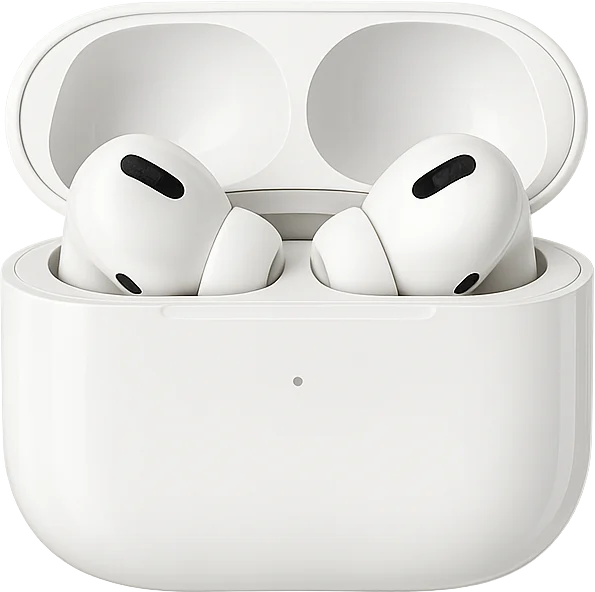
Set the foundation
AirPods Pro 2
2022
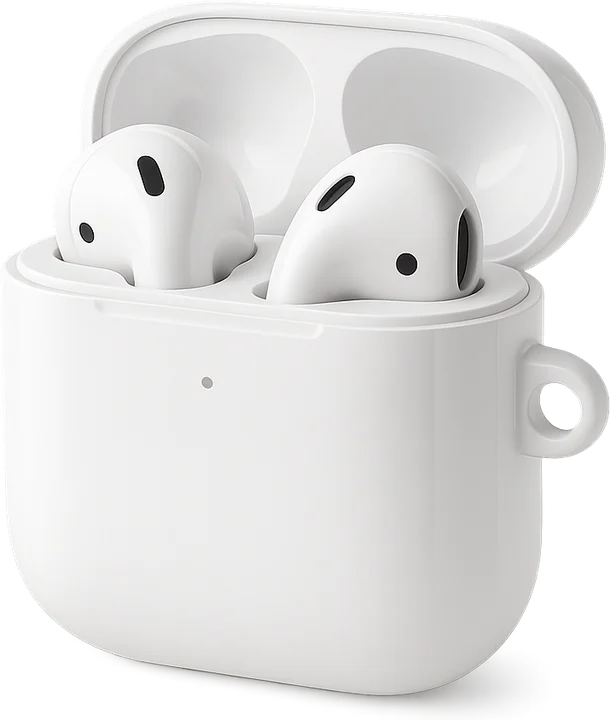
Major improvements
Current
AirPods Pro 3, 2025
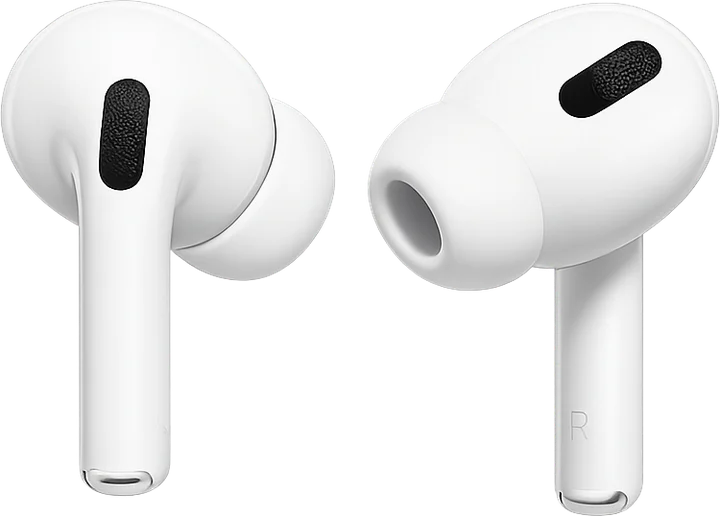
What you can buy now
- Reviews
- Price
- Works with
- Updates
Next
Not yet announced
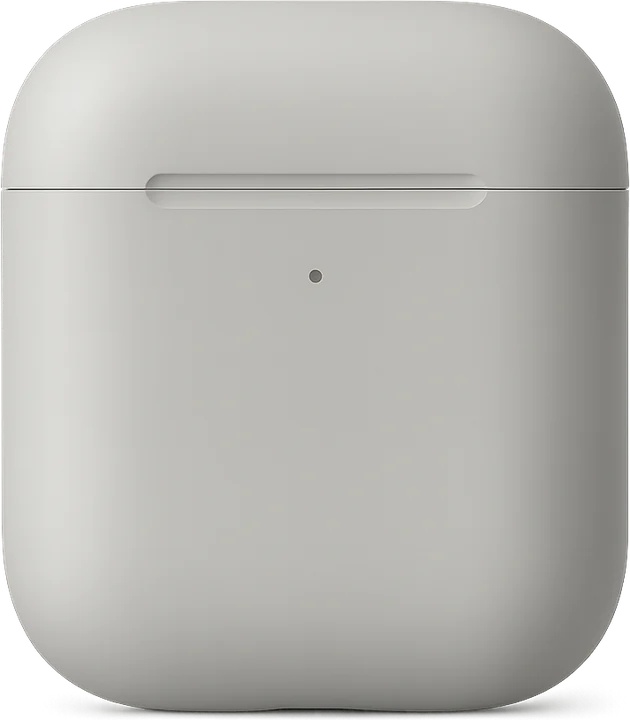
What we’re expecting
What happened before gives us better context for what exists now, and what may come next.
The simple answer should come first.
There is a lot happening underneath iDevice.
We maintain product histories, specifications, prices, generations, reviews, comparisons, sources and reports over time. But you should not need to understand any of that just to use the site.
If you want a quick answer, you should get a quick answer.
Most Guides have a box where you can ask a question and get an answer from the research behind the page, with the source linked. Tell iDevice which phone, watch or computer you use, and a Guide’s Works With tab shows whether the product works with it, or says plainly that we do not know yet.
If you want to go deeper, the evidence is there too: where a fact came from, what changed and why we believe what we publish.
See how our methodology worksBuilt for people. Useful to machines too.
More and more people put a product question to an AI assistant instead of a list of links. That makes clear, current, well-sourced product information matter even more.
The same sourced product knowledge behind our Guides is also open to connected AI assistants through iDevice’s free public MCP server.
A Product Guide is more than a webpage. It is a maintained product record that people can read, search engines can index and connected AI systems can query.
Developers and MCPWe keep checking the record.
Products change. So do the questions people ask about them.
We use those changes to keep improving our Guides. If a price changes, we update it. If a new feature arrives, we add it. If a question keeps coming up, we work on making the answer clearer. If new evidence changes the picture, the Guide changes too.
The goal is not to publish the final word once. It is to keep the product record useful as reality changes.
The reader is who we’re building for.
iDevice is independently operated.
Manufacturers know their products better than anyone, so we start with what they publish and we welcome corrections. But the conclusions are ours.
Brands may sponsor a Product Guide. When they do, it is clearly labelled, and sponsorship does not buy the conclusion, change the evidence or decide what we say about a product.
That separation matters because a useful Guide has to work for the person making a decision, not simply repeat what a manufacturer wants to say.
Our editorial policy explains how we source, check and label what we publish. To report an error, email moc.ecivedi@yeh.
iDevice.com, from iDevice Media LLC.
iDevice.com is published by iDevice Media LLC, a New Mexico limited liability company. It is independently owned and funded.
We cover phones and the computers people wear: smart glasses, watches, rings, earbuds and headsets, from Apple, Google, Samsung, Meta and the companies racing them.
iDevice Media LLC, 1209 Mountain Road Pl NE, Ste R, Albuquerque, NM 87110. Email moc.ecivedi@yeh or use the contact page.
Which iDevice this is.
People also say “iDevice” for an iPhone, iPad or iPod. iDevice.com is not Apple. It is an independent publication that covers Apple and the companies it competes with.
We are not affiliated with Apple, Google, Samsung, Meta or any other company we cover. We are not a jailbreak tool, a store or a smart home brand.
Know what’s next. Understand what’s now.
There will always be another launch.
More products. More reviews. More reports. More claims. More summaries of summaries.
We do not think the answer is to publish all of it faster. We think the answer is to build a better memory of technology.
One maintained record for each product. Connected across generations. Backed by sources. Improved as the facts change.
iDevice is building a durable record of consumer technology that people and machines can use.