Mockup by iDevice
Roadmap
Apple Glasses
Updated June 23, 2026
Apple's biggest launch since the iPhone is a pair of glasses. No AR display, no headset. Cameras, speakers, Siri, and Apple Intelligence on your face. Gurman confirmed late 2027 in May 2026, citing Siri's visual AI as not ready. Tim Cook views this as his top priority before handing the company to John Ternus on September 1. Four frame styles in premium acetate, under 50 grams. Price target $200 to $500, competing directly with Meta Ray-Ban, not with Vision Pro.
Expected announcement
January 1, 2026
Expected launch
Late 2027
Price
$200–$500
Latest newsCompareReported featuresBuy now or wait?TimelineShortsQuick answersCodenamesGlossaryKey sources
Latest news
All news →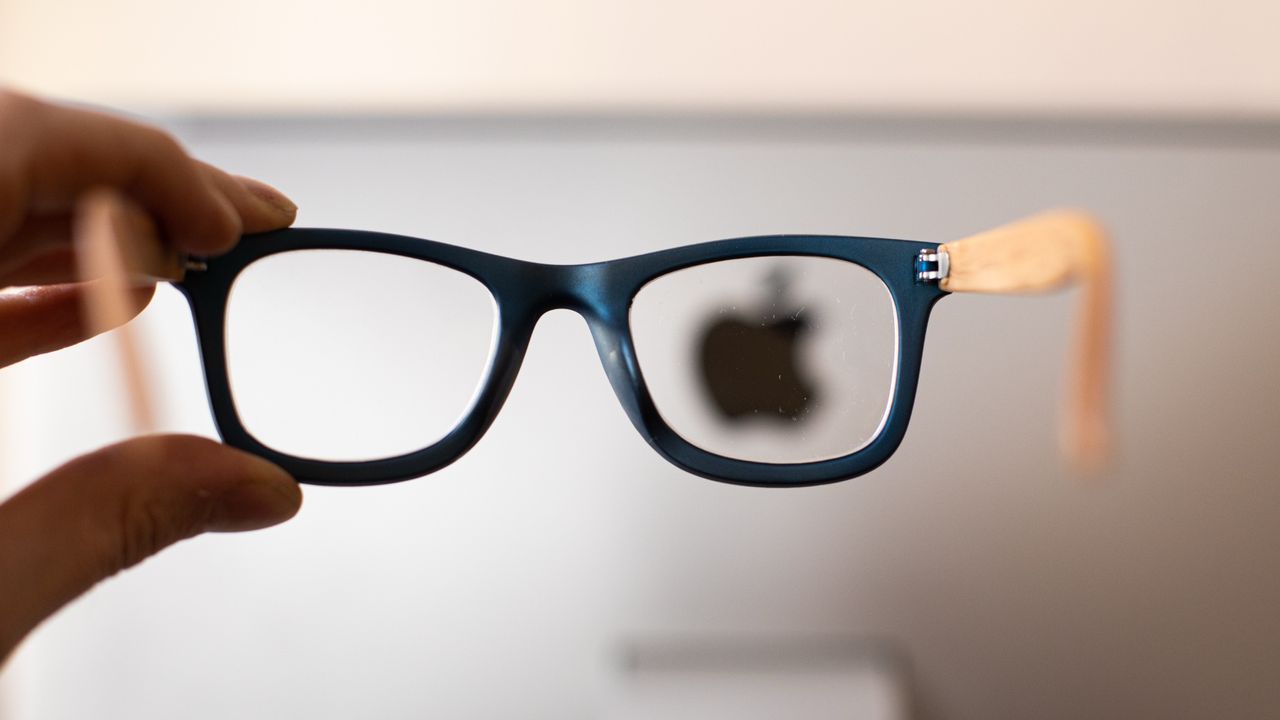
Compare
Price
From $299
$200–$500
Availability
Now
Late 2027
Display
None
None
AR capable
No
No
Standalone
Yes
No (iPhone)
AI
Meta AI
Apple Intelligence
Platform
Meta AI platform
iOS
Chip
Snapdragon AR1
Apple Watch S-series (mod)
Camera
12MP single
Dual oval (reported)
Weight
48g
Under 50g (target)
Prescription
Yes (easy swap)
Rumored
Battery
~8h
TBC
Frame partners
Ray-Ban, Oakley
None (own design)
Reported features
?confirmedOfficial company statement or filing
expectedTier-1 outlet or 2+ independent sources
rumoredSingle source — unverified
speculativeAnalyst inference — no sourcing
Dual camera system
expectedOval-shaped cameras front and center, one for photos, video, and Visual Intelligence; one wide-angle for Siri and spatial sensing. Gurman confirmed oval form factor in May 2026. Unlike Meta Ray-Ban's circular camera design, Apple is using vertically oriented oval lenses, a deliberate design departure.
$200–$500 price range
expectedGurman reports Apple is targeting the mainstream eyewear market at $200–$500, competing with Warby Parker and EssilorLuxottica, not the XR niche. Well below Vision Pro.
Gesture recognition
expectedHand gesture control reported by MacRumors using the wide-angle camera. Gurman is skeptical, says first version likely won't have sophisticated gestures.
Modified Apple Watch S-series chip
expectedGurman reports N50 uses a modified version of the Apple Watch S-series chip. Low-power by design, the glasses offload ~90% of processing to iPhone. The chip handles local sensing and always-on AI triggers without draining the battery.
Hands-free Siri with Apple Intelligence
expectedVoice-first interaction powered by the iOS 27 Siri upgrade. Navigation, translation, notifications, and Visual Intelligence all hands-free.
iPhone tethered, 90% processing offloaded
expectedGlasses offload ~90% of processing to iPhone via a Watch-like chip onboard. The delay to late 2027 is partly attributed to Siri not being ready to handle the visual AI workload.
Open-ear audio
expectedSpeakers built into the frames for music, calls, and Siri responses, same approach as Ray-Ban Meta and AirPods-style ambient audio.
Four frame styles in premium acetate
expectedApple testing at least four styles, Wayfarer-style, slim rectangular, large oval, small oval, in colors including ocean blue and light brown, all in premium acetate under 50 grams.
Tim Cook's top priority before stepping down September 1
expectedBloomberg's Gurman reports Tim Cook views Apple Glasses as his top priority before handing leadership to John Ternus on September 1, 2026. The glasses will ship under Ternus but Cook is driving the product definition, the most personally invested he has been in any product since Apple Watch.
No display on first model
expectedN50 will not have a screen. Apple is focusing on AI, audio, and cameras first. A display version may follow in a later generation.
Privacy indicator LEDs
expectedBuilt-in lights to signal when cameras are active, Apple's response to the surveillance concerns that followed Meta's glasses.
Buy now or wait?
Buy Meta now or wait. That is the only real question.
Apple Glasses do not ship until late 2027, which is 18 months away. If you want smart glasses this year, Meta Ray-Ban Gen 2 starts at $299. Gen 3 arrives September 23 with a better camera and all-day Live AI.
If you are deep in Apple ecosystem and willing to wait: hold. Siri and Apple Intelligence on your face, integrated with your iPhone, contacts, maps, and health data, is a fundamentally different product from what Meta offers. The $200 to $500 price target means buying Meta now is not necessarily wasted money. You will pay a similar price for Apple when it ships.
The real risk is Siri. Apple Intelligence needs to be ready to handle real-time visual queries reliably across millions of devices simultaneously. That is why the launch slipped from 2026 to 2027. If Siri is not ready, the glasses will feel like expensive headphones with a camera.
Timeline
Jun 3, 2026
Ternus reshapes the roadmap
Incoming Apple CEO John Ternus orders a major overhaul of Apple's Vision product lineup, cutting planned headsets and concentrating engineering resources on smart glasses. Ming-Chi Kuo reports the focused product set is now two glasses products instead of six.
AppleInsiderJun 8, 2026
WWDC 2026: no Apple Glasses announcement
Apple's WWDC 2026 keynote brings iOS 27, watchOS 27, and visionOS 27, no Apple Glasses announcement. The relevant signal: visionOS 27 adds Visual Intelligence and a redesigned hands-free Siri to Vision Pro, the same capabilities Apple Glasses will need. Apple is building the software layer now while the hardware catches up to late 2027.
MacObserverMay 31, 2026
Gurman confirms late 2027: Siri not ready
Bloomberg's Mark Gurman reports Apple Glasses slipped from late 2026 to late 2027. The cited reason: Siri and Visual Intelligence are not yet ready to handle the visual AI workload the glasses require. Earlier window was late 2026 or early 2027. Ming-Chi Kuo's projection of 3–5 million units in 2027 remains unchanged.
MacRumorsApr 30, 2026
Gurman skeptical on gestures
Bloomberg's Gurman disputes the gesture story, saying the first version of Apple Glasses likely won't have any sophisticated form of gesture control.
Tom's GuideApr 29, 2026
Dual cameras and gesture control reported
MacRumors reports N50 will have two cameras, one for photos and video, one lower-res wide-angle for hand gestures and Siri visual input.
MacRumorsApr 12, 2026
Four frame styles confirmed
Gurman reports Apple is testing four N50 designs in premium acetate: a large Wayfarer-style, a slimmer rectangular, a larger oval, and a smaller oval. All under 50 grams.
9to5MacFeb 2026
Gurman: significant progress on N50
Bloomberg's Mark Gurman reports Apple has made significant progress on smart glasses and the product could be ready for production by end of 2026.
MacRumors2024–2025
Meta glasses prove the market
Ray-Ban Meta sells 7 million+ pairs and captures 76% of the smart glasses market. Apple watches a category it doesn't yet compete in.
The Verge2025
Vision Pro ships only 45,000 units
Weak adoption forces Apple to rethink its spatial computing strategy. Resources shift away from a cheaper Vision Pro toward smart glasses.
Tom's HardwareJan 2025
Gurman: Apple Glasses faces massive hurdles
Bloomberg's Mark Gurman reports Apple Glasses faces significant technical challenges. Siri's conversational AI capabilities, on-device processing, and miniaturized hardware are all cited as areas requiring substantial development before a product is viable.
Jun 2023
Vision Pro introduced
Apple unveils its first face-based computing device at WWDC. Starts at $3,499. Sets up the longer-term roadmap toward glasses.
Shorts
Apple Glasses Are Coming — Here's The Proof.
Will Apple Preview Smart Glasses at WWDC 2026?
Quick answers
When will Apple Glasses be released?
Late 2027. Gurman confirmed the delay in May 2026, citing Siri and Visual Intelligence not being ready for the visual AI workload the glasses require. An earlier window of late 2026 or early 2027 was missed.
How much will Apple Glasses cost?
No official price. Estimates range from $200 to $500, targeting the mainstream eyewear market — well below Vision Pro pricing.
Why was the release delayed?
Siri and Visual Intelligence are not ready. The glasses offload ~90% of processing to iPhone, and that requires Siri to handle real-time visual AI queries reliably. Apple pushed the launch from late 2026 to late 2027 to give the software team more time.
What the codenames mean
N50Apple's first glasses: display-free AI glasses expected around 2027N401Codename for the next, display-equipped Apple glasses that follow N50. One roundup also frames N401 as the name of the glasses' custom chip, so the mapping is not a clean one-to-one.N100 / Vision AirThe cheaper Vision Pro Apple reportedly paused in 2025 to refocus on glassesGlossary
Apple IntelligenceApple's on-device AI framework. Runs locally on-device for privacy, with encrypted cloud processing for complex tasks. The backbone of everything Apple Glasses will do — visual queries, Siri responses, real-time translation.
AppleVisual IntelligenceApple's real-time object recognition system. Point your camera at something, ask Siri what it is, and get an AI-powered answer. Debuted on iPhone 16 (2024). Expected to be the defining feature of Apple Glasses.
N50Apple's internal codename for the first Apple Glasses model. Display-free, camera-equipped, expected late 2027. Apple uses N-prefixed codenames for hardware projects during development.
NPUNeural Processing Unit. A dedicated chip block optimized for running AI models locally. NPUs enable always-on voice detection, camera processing, and sensor fusion without draining the battery — essential for wearables that run all day.
AcetatePremium thermoplastic material used in high-end eyewear (Oliver Peoples, Persol). More refined and durable than standard plastic. Apple is using acetate for Apple Glasses frames, signaling a fashion-forward positioning above Meta Ray-Ban.
Waveguide displayOptical technology that projects AR content onto a transparent lens using light diffraction, creating floating overlays visible to the wearer. Used in Magic Leap and Microsoft HoloLens. Apple Glasses (N50) will NOT have a waveguide display. A future generation (N401) may.
Key sources
9to5MacApple testing four frame styles in premium materials, at least four designs in prototype testingApr 2026
9to5MacApple AI glasses launch pushed back to late 2027, Vision Air to follow by 2029May 2026
Tom's GuideGurman: Apple plans to launch smart glasses to pull the rug out from under MetaApr 2026
AppleInsiderJohn Ternus approved major overhaul of Apple's Vision product roadmap, cutting headsets to focus on glassesJun 2026