




Compare spatial computing headsets
Three platforms, three different bets. Samsung Galaxy XR arrives first on Android XR. Meta Quest 4 targets the mainstream at sub-$500 in 2027. Apple Vision Pro 2 chases the premium tier with a lighter form factor for 2028. The chess board is not set.
Build your comparison
Pick any two or three headsets and see the specs side by side. A tick marks a spec backed by a quoted, linked source.
By the numbers
The category winners, and the data behind them. Every number traces to a published or leaked spec.
Longest battery life
Manufacturer's stated general-use runtime, in hours — higher is longer.
Devices with no published runtime aren't shown.
Cheapest headsets
Device price — lower is cheaper.
Device floor price only.
Capability grid — who does what
Tracking & AI features
A filled dot means the headset ships the feature; hover any dot for the exact spec.
Roadmaps
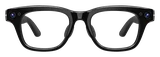
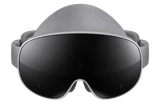
Meta VR Glasses
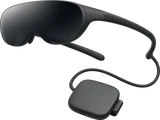
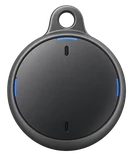
Meta's 100-gram VR glasses put a 5K micro-OLED display on your face and the computer in a pocket puck, on sale Spring 2027 for $1,299.99.
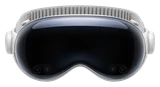
Vision Pro M5
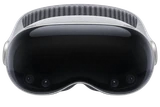
The M5 refresh keeps the micro-OLED displays that made Vision Pro striking and adds the processing power visionOS 26 was built for. Available now.
Vision Pro 2
Apple's headset reporting has split between a lighter consumer direction and hardware aimed at professional use.
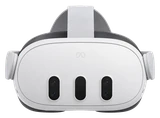
Meta Quest 3
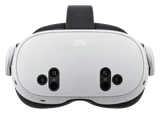
Quest 3 has the sharpest mixed-reality passthrough and the largest library at this price. Available now.
Meta Quest 4
Quest 4 delayed to 2027. Quest 3 at $599 is the best standalone VR headset you can buy today.
Galaxy XR
The only Vision Pro competitor at half the price. Galaxy XR runs Android XR with Gemini at $1,799.
Updated October 2026 · Specs verified from manufacturer announcements and confirmed reports. Some specs are estimated or reported — see individual roadmap pages for sourcing.