






META RAY-BAN
Meta opens Ray-Ban Display to outside developers
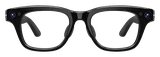
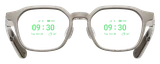
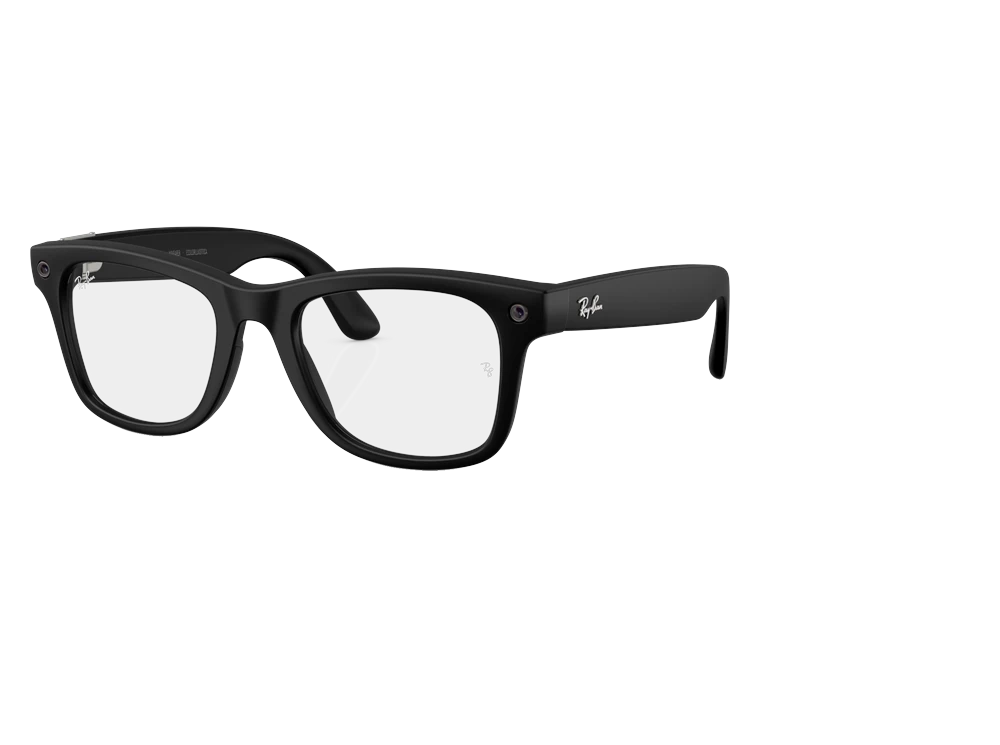
Meta opened Ray-Ban Display glasses to third-party developers, who can build apps using HTML and JavaScript for the $799 glasses' 600x600 pixel right-lens display.
RAY BAN META GEN 32 min read
Meta Connect 2026: Ray-Ban Gen 3 & a New Watch?
Meta Connect, the company's annual hardware show, is confirmed for September 23-24 in Menlo Park. Leaked specs point to two Ray-Ban Gen 3 models with a faster chip and Live AI that lasts hours instead of 30 minutes.
META RAY-BAN1 min read
Meta Gave Everyone the Best Reason to Buy Ray-Bans Without Buying Ray-Bans
Meta updated its app on May 12 with live camera vision powered by Muse Spark, its new in-house AI model. Point your phone at anything and ask about it in real time, the same experience the Ray-Ban glasses offer. Google Search Live and ChatGPT both do continuous live camera too, but Meta's version pulls from Instagram, Facebook, and Reels for socially-informed answers that Google and OpenAI can't match. The glasses still win on one thing no phone app can replicate: your hands stay free.
META RAY-BAN1 min read
Meta's Smart Glasses Are in Court Over Who Watches Your Footage
A federal class action filed March 4 in San Francisco accuses Meta of misleading Ray-Ban smart glasses buyers about privacy after Swedish reporting revealed contractors in Kenya reviewing footage that included sensitive material. Meta denies wrongdoing.
SMART GLASSES2 min read
Apple Wants Its Wearables to Look Like You, Not Like Apple
A 22-year Apple designer just summed up the company's wearable philosophy as "we didn't want to brand your head." It runs through every product from AirPods Max to Apple Watch bands to the four in-house glasses frames reportedly coming in 2027. Meta borrows Ray-Ban. Google borrows Warby Parker. Apple is building its own.
SMART GLASSES4 min read
Smart Glasses Release Dates 2026: Apple & Meta
Samsung was due first with Galaxy Glasses on July 22, then Meta at Connect on September 23 and Snap later in 2026. Apple and Gucci are expected in 2027.