










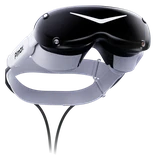
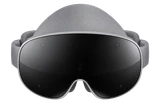
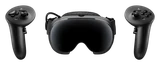
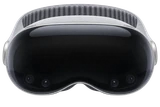
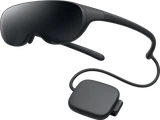
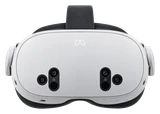


Pimax Dream Air vs Steam Frame: which should you buy?
Get the Steam Frame. Both headsets are built for Steam VR games on a PC, and both track your eyes, so the call is close. The Steam Frame is our pick because it does more on its own and costs far less. It carries its own chip and battery and streams games over Wi-Fi, while the Pimax Dream Air stays wired to the PC.
Who should get the Pimax Dream Air
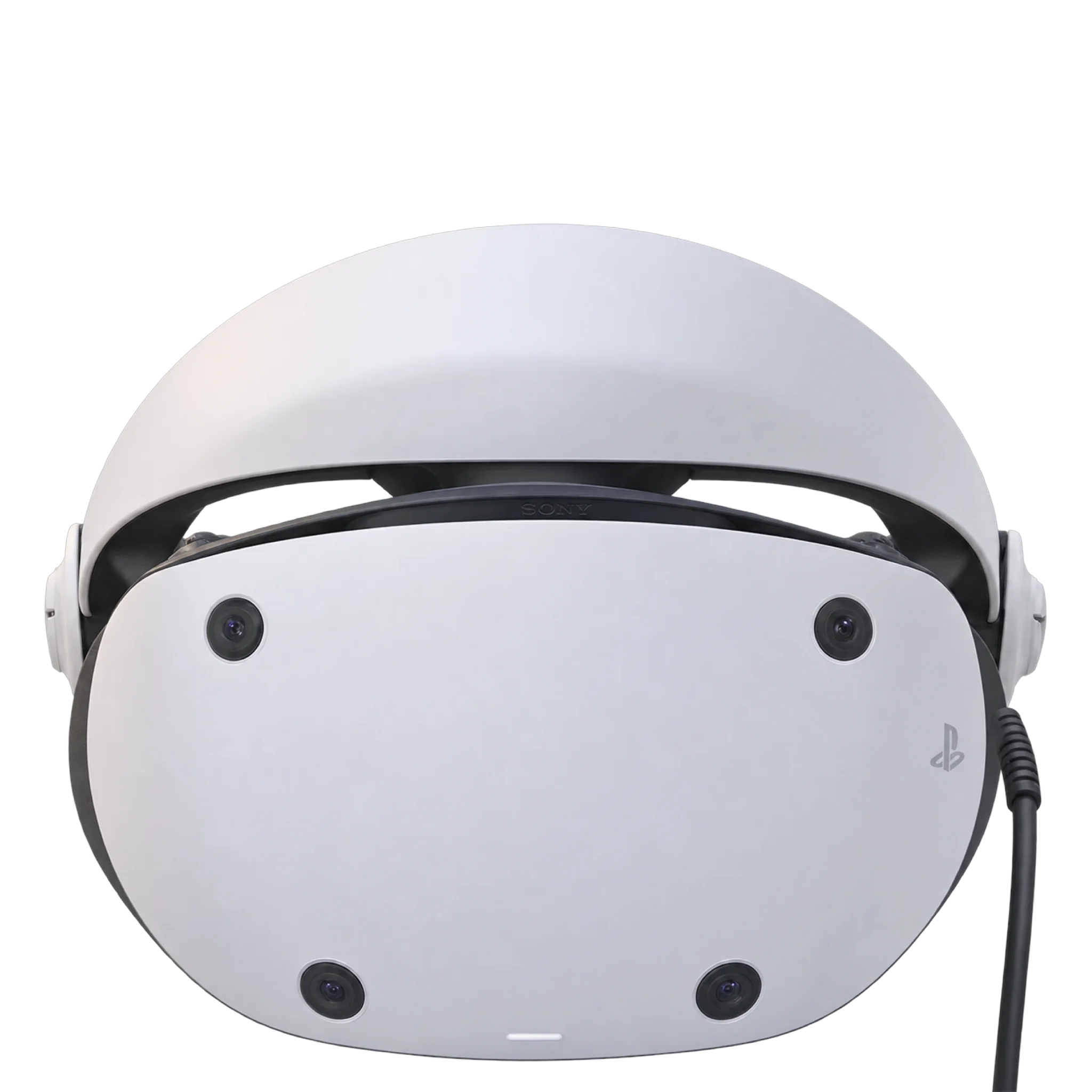
Get the Dream Air if you play seated sims at a desk and want the sharpest picture you can get. Pimax lists a Sony Micro-OLED panel at 3840 by 3552 pixels per eye, well above the Steam Frame's stated resolution. It needs a Windows PC with a DisplayPort output, and it runs off that cable.
The differences that matter
The Steam Frame runs SteamOS like a small PC, so you can install your own apps and open a browser in the headset. Valve lists a Snapdragon 8 Gen 3 chip, a battery in the headstrap and a wireless adapter for PC streaming.
The Dream Air is the lighter front piece. Pimax gives its headset weight without a strap, and Valve gives the Steam Frame's with its strap and battery, so the two figures are not measured the same way.
Neither one is a phone accessory. Both are PC headsets first, and both work with the SteamVR library.
Price and value
The Steam Frame costs $1,059 (checked Nov. 15, 2026) and the Pimax Dream Air costs $1,999 (checked Nov. 15, 2026).
The Steam Frame is cheaper by $940. The extra money for the Dream Air buys picture detail and little else for a general player.
Pick the Steam Frame unless you sit in a sim rig and want every pixel. Then the Dream Air earns its place.
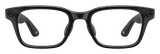
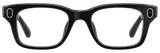
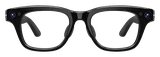
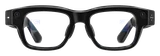
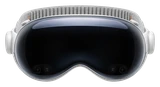
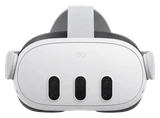
Pimax Dream Air vs Steam Frame
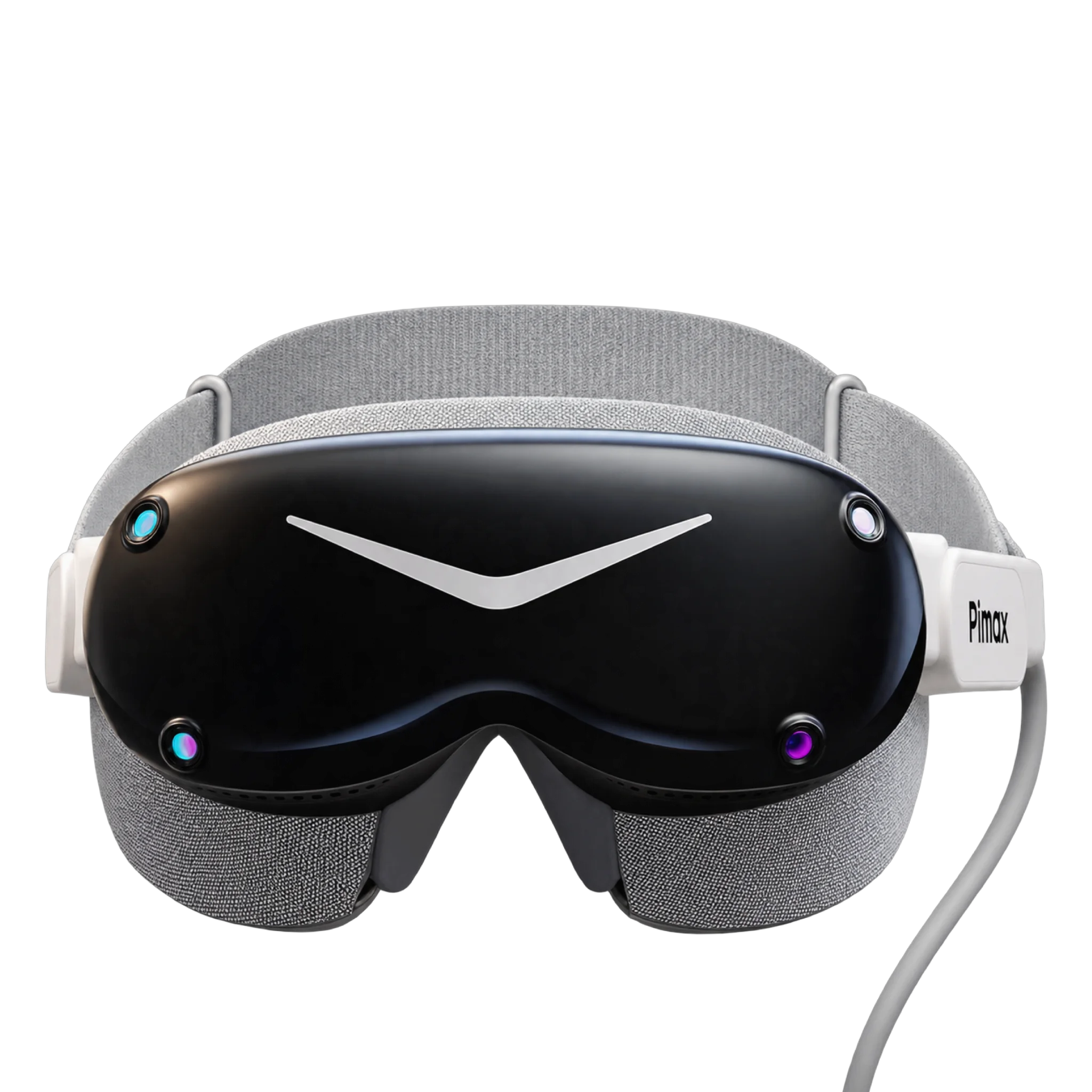
Pimax Dream Air
$1,999 at Pimax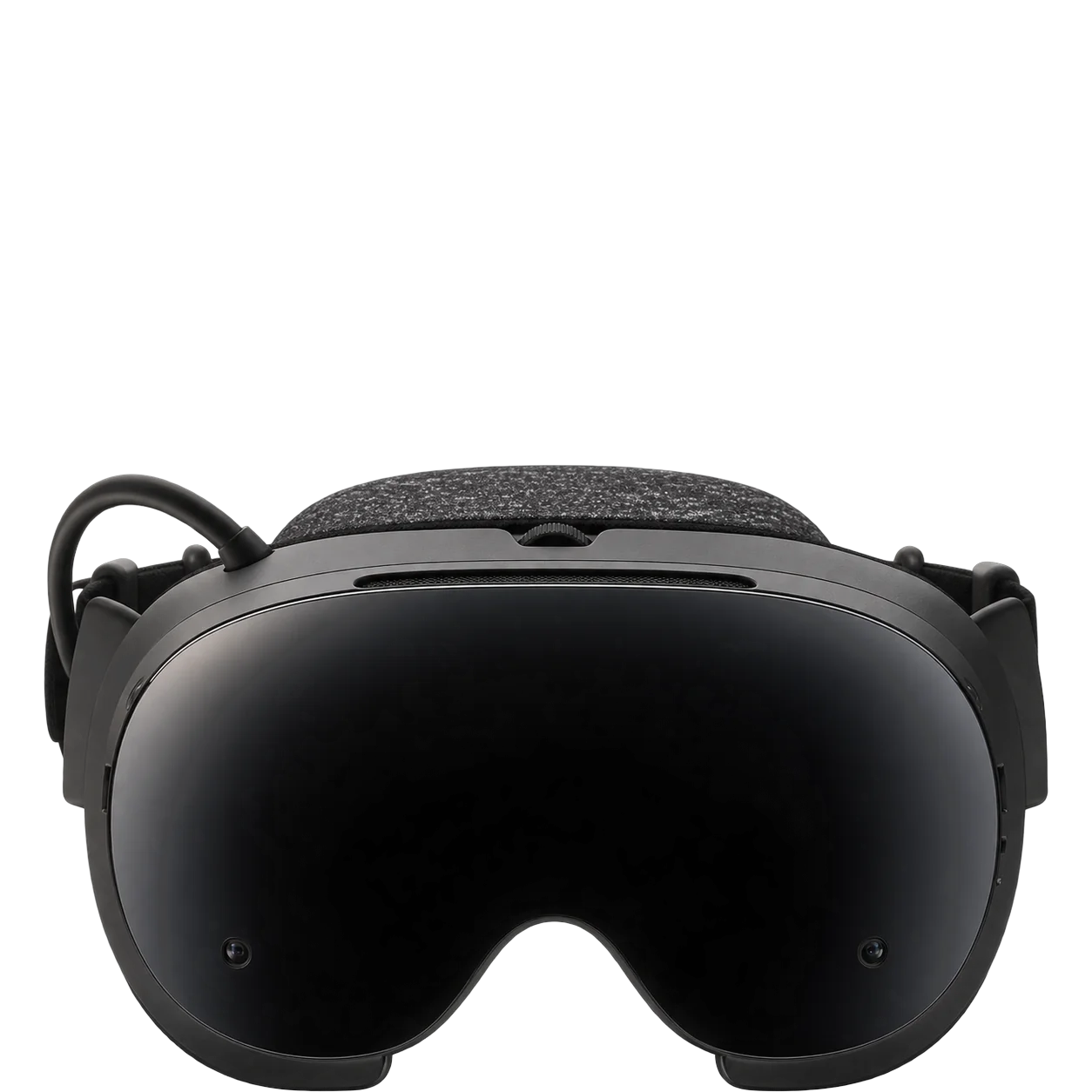
Steam Frame
$1,059 at Steam- Pimax Dream Air: Sony Micro-OLED, 3840 x 3552 pixels per eye, ConcaveView lensesDisplaySteam Frame: 2160 x 2160 LCD per eye, 72 to 144Hz (144Hz experimental), pancake lenses
- Pimax Dream Air: None (uses the connected PC)BatterySteam Frame: Rechargeable 21.6 Wh battery in the rear of the headstrap; USB-C charging at up to 45W
- Pimax Dream Air: Under 170 g (headset)WeightSteam Frame: 440 g with headstrap; 185 g core module
- Pimax Dream Air: None (uses the connected PC)SoftwareSteam Frame: SteamOS 3 (Arch-based), KDE Plasma desktop