




















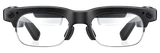

























Google's Android XR glasses will blur every face in the frame before a picture ever reaches Gemini. Shahram Izadi, who runs Android XR at Google, laid out the rule in a post this week, along with a ban on real-time facial recognition.
The blur kicks in when you ask Gemini something about what you're looking at. That covers the everyday stuff: what's around you, a menu you want translated, an object you can't name. If other people are in view, their faces get blurred first, and only then does the image go to Google's servers.
Look into a mirror, or point the glasses back at yourself for a photo or video, and Google says your own face is redacted before Gemini sees it, too.
"With this in mind, we set out to design the glasses so that personal help doesn't come at the expense of anyone's privacy," Izadi said.
Images and videos captured for a Gemini question won't be saved in your Gemini history. They won't be used to train Google's AI models, and they won't be used to personalize or target ads.
Third-party apps from the Play Store won't be able to stream live from the glasses, according to Android Police, which covered the post.
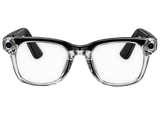
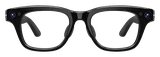
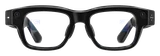
The rules apply across Android XR, not only to Samsung's pair. Samsung is building Google's first glasses with Warby Parker and Gentle Monster, and other companies' Android XR glasses will follow the same blurring rule.
That's a direct answer to the worry that has followed Meta's Ray-Ban glasses since they launched. People have called them "perv glasses" over the fear of being filmed by a stranger without knowing it.
Google's answer is to limit what its AI sees.
The glasses still take photos and videos. What changes is what Gemini gets to see and keep, and that no app can pick out a stranger's face in real time.
If privacy is what kept you away from smart glasses, these rules are worth weighing when the Android XR glasses arrive. If you're the one wearing them, expect Gemini to see a blurred version of the people around you, and plan your questions around that.