












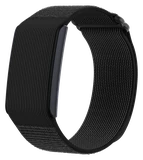
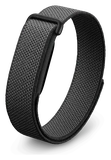
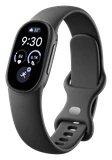
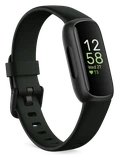



WHOOP has a new step-counting algorithm on WHOOP 5.0 and WHOOP MG, and it goes after the walks where your arm barely moves. Pushing a stroller, holding a dog's leash, carrying a phone: those are the cases WHOOP says it now counts better, Gadgets & Wearables reported.
The band counts steps from its accelerometer, so it leans on the swing of your wrist. Keep that arm still and steps go missing. People have posted about walks that came up thousands of steps short, especially on treadmills.
WHOOP says it trained the new model on lab and real-world data and checked it against a research-grade pedometer worn at the ankle, where each foot strike is easier to pick up. The company says the fix works whether you wear the band on your wrist or your bicep.
WHOOP Age runs on six-month averages, so any change from cleaner step data will show up slowly, and it can move in either direction.
WHOOP warns that some people will see fewer steps, because the old algorithm sometimes counted other movement as walking.
WHOOP only added steps to the app in 2024, when Strain was still its main measure of a day's activity. Now daily steps are one of the inputs to WHOOP Age and Pace of Aging, next to sleep, VO2 max, resting heart rate, time in heart-rate zones, strength training and lean body mass.
So a band that undercounted you for months may have nudged your WHOOP Age the wrong way. Don't expect it to jump overnight. WHOOP Age runs on six-month averages, so any change from cleaner step data will show up slowly, and it can move in either direction.
Older WHOOP hardware doesn't get the new algorithm. WHOOP hasn't said whether it will.
If you wear a 5.0 or an MG and push a stroller or walk a dog most days, you should see more of those steps land from now on. Give your WHOOP Age a few months before you read anything into a change.