

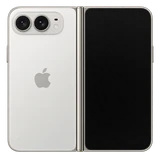
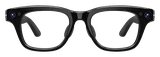
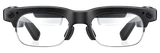
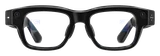
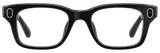
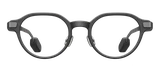
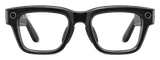
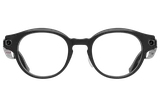
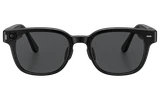
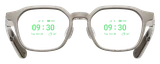
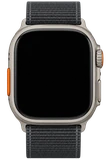
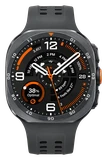
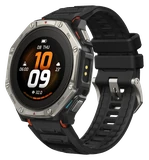
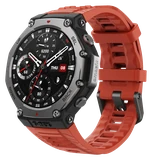

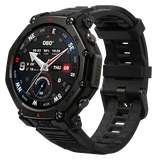




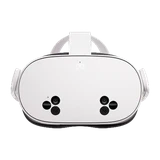
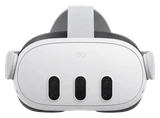
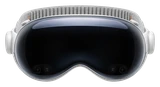
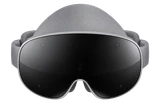
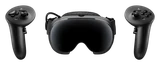


Even Realities opened Even Hub on Friday with more than 50 apps built by outside developers. The store works with the company's G2 glasses, which put a small one-color screen in front of your eye and otherwise look like ordinary spectacles. You can install an EPUB reader (a phone-style book app), a chess game, or a charge meter for a Tesla, and you can delete the built-in features you never use.
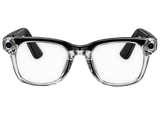
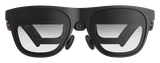
Meta's glasses don't work that way. You don't install anything. You switch experiences on and off from a list Meta writes, and the list is the product. The wake words are "Hey Meta" and there is no setting to change them. Core features stay whether you want them or not. Lifehacker reported the Even Hub launch and put the two approaches side by side.
The two companies are not the same size and nothing here pretends otherwise. Meta is worth about $1.47 trillion, and its Ray-Ban and Oakley glasses account for roughly 82 percent of all smart glasses sold. The research firm Prospero values Even Realities at about $10 million. A company spokesperson puts it at $500 million or more.
Narrow the question to glasses with a screen in them and the two are closer than those numbers suggest. Estimates for 2025 and 2026 put sales of the Meta Ray-Ban Display at around 20,000 pairs. Prospero puts G2 sales between 10,000 and 25,000. Even Realities says hundreds of thousands.
They cost different money and they do different things. The Meta Display is $799, carries a full-color screen, and looks like a Ray-Ban. The G2 is $599, has no camera and no speakers at all, and hides its one-color screen in a frame nobody reads as hardware. One of those is a pair of glasses you also compute with. The other is a Meta device you also wear.
Open does not win on its own, and the history says so twice. Nintendo ran home video games through the 1980s by controlling exactly which cartridges shipped on its console, and children bought that console anyway. Adobe Flash beat the open web for years and died when Apple's iPhone, which installs only what Apple has approved, refused to carry it. Apple's phone software holds about 63 percent of the American market today against the more open Android.
What an open store buys the G2 owner is narrower and easier to describe. It is the difference between waiting for Even Realities to decide that a chess game belongs on your face and installing one because you want it. Even Realities' library is approved rather than wide open, closer to Apple's App Store than to anything you can load yourself. The company still holds the gate. It just holds it further back.
Meta already runs a large open store for its Quest headsets, and it shut down much of its own headset game development while promising to keep supporting outside developers. It has not opened a store for the glasses.