
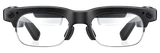
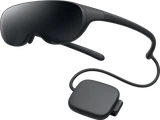
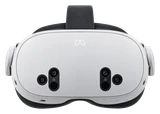
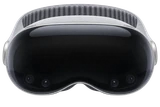
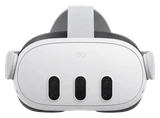
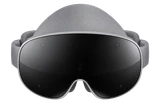


Pico cancelled its September 2 launch event in Beijing and moved the Space Pro to the fourth quarter.
The ByteDance-owned headset maker said so itself, in a statement translated from Chinese and reported by Road to VR. Pico said the hardware and software had "reached a high level of completion", then added that during the final stage of experience verification "we saw an exciting new opportunity" and wanted it in the first release. By the company's own account this is a software decision: a major upgrade to the software experience, shipped at launch rather than patched in afterwards.
Last week Pico gave the headset its retail name and a date to show it off. The name survived the week. The date did not.
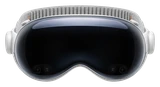
What that event was going to answer is now the thing to wait for. Pico expected to fill in the gaps in the spec sheet, the global release plans and the price, and all three are still open. A buyer weighing a headset this year has one fewer set of numbers to compare, and no figure at all to hold against Vision Pro or Samsung's Galaxy XR.
The spec sheet that does exist is not modest. Space Pro is set to arrive with microOLED displays, the very small and very dense panels Apple uses in Vision Pro, at 4,000 pixels per inch and an average of roughly 40 pixels per degree, which is the measure of how sharp the picture looks across the slice of your vision the headset covers. The work is split across two chips. A custom Pico part handles perception and imaging, the job of tracking your head, your hands and the room, at a claimed 12 milliseconds of latency, and a separate flagship processor runs everything else with a claimed two times the CPU and graphics performance of Qualcomm's XR2 Gen 2, the chip inside most standalone headsets sold today.
There is a way to see it before the shops do. Pico is expanding its Pioneer Experience Program in the coming months, and its Global Early Access Program is already sending pre-production units and software to applicants for outside testing.
The headset lands in a thin and expensive part of the market that already has two occupants. Apple sells Vision Pro there. Samsung's Galaxy XR arrived late last year as the first headset running Google's Android XR, the operating system Google built for headsets and glasses. Pico ships mainly into China and is launching globally as well, which puts it in front of the same small group of buyers those two are chasing.
Pico apologised for the wait in the same statement. The fourth quarter runs to three months, and it has not named a date inside it.