Google reporting record

What was reported before Google launched it

We researched the pre-launch reporting around Pixel phones, watches, earbuds and glasses, traced important details back to their original source, and checked the ones Google has since answered.

487Substantive reports
63Named original sources
846Checkable claims
430Reports resolved so far

What the record shows

377 of 413 checked details were right or partly right

  • 322 Right
  • 55 Partly right
  • 36 Wrong

Not part of that number

  • 11 Moving targetreported the plan; the company changed it
  • 26 Never settledthe company announced the product and nobody ever confirmed or denied it
  • 17 Not comparablethis measured a different thing from the number the company published
  • 20 No outcome yetnothing has happened yet that would prove these right or wrong

What the record shows

The story in five findings

Finding 01

Google often reveals products through its own ecosystem

Pre-launch details frequently surface through Google itself or the infrastructure surrounding a launch: its apps and shipped code, certifications, regulatory filings, retailer systems and marketing assets. Traditional insider reporting is one part of the picture rather than the whole of it.

  • App and code
  • Public records
  • Retail systems

Finding 02

The reporting ecosystem is distributed

We traced 487 substantive reports to 63 named original sources. The largest accounts for 14% of the total, and 34 of the 63 sources originated a single report.

Finding 03

One report can contain many predictions

The 487 reports contain 846 individually checkable claims. The Index grades those claims while preserving each report as one piece of originating work, so a spec sheet counts once no matter how many lines it holds.

Completely false reports are uncommon

Of the 430 reports that can be checked so far, 322 were right, 55 partly right and 36 wholly wrong. An error is far more likely to sit inside an otherwise accurate report than to be an invented story.

The discovery method matters

App teardowns tend to reveal features, regulatory records expose hardware and connectivity details, and retailer systems are the more likely origin of prices, configurations and product names.

  • CodeFeatures
  • FilingsHardware
  • RetailPrices and SKUs

The modern Google leaker may be an app teardown, a certification database, or a retailer system.

This is a pre-event snapshot. Open reports stay open unless Google's announcement provides enough evidence to settle them.

Recently checked details

A few examples of how pre-launch reporting compared with what the company later announced.

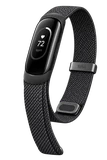
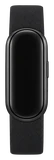
Google fitness tracker (unannounced)

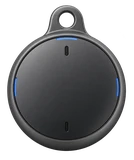
Google's own Pixel 11 ads show an unannounced Fitbit-style tracker with a screen.

Right

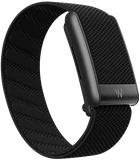
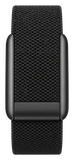
Pixel Watch 5

A €579.99 Stephen Curry Pixel Watch 5 edition would pair a standard 45mm LTE watch with a limited-edition woven band.

Partly right

Pixel Watch 5

Pixel Watch 5 marketing revealed an unchanged design, health tracking, Ask Gemini and Coach integration, and smart alarms.

Partly right

Pixel 11 series

HiLight can assign a glow color to favorite contacts when they call.

Right

Who reported it

Every report, with the source credited, the product, what was revealed and where we read it. Filter by source or product, or open a source to see only their reports.

Chart and table show the live index, 487 leaks.

Bar length is the number of leaks. Every named source is shown. Select any bar to read the leaks behind it.

People and publications behind the reporting

This is not a ranking. Open a profile to see what we researched and, where enough outcomes exist, how it held up.

Kamila Wojciechowska

47 original reports researched

View profile →

Mystic Leaks

39 original reports researched

View profile →

Android Headlines

27 original reports researched

View profile →

Abner Li

25 original reports researched

View profile →

Analysis

Every leak counted here revealed something Google had not announced about a product: a device, feature, price, timing or project status. Kamila Wojciechowska broke 47 of the 487, and Mystic Leaks 39. Google's beat runs through a small number of Android specialists rather than a single dominant reporter, which is a different shape from Apple's, where one name holds about a third.

A beat with specialists, not a single voice. 63 named sources produced 487 leaks, and 34 of them appear exactly once. Google Google reporting comes mostly from Android-focused outlets and the people who read Google's own app code, with regulatory filings and retail listings filling in the rest.

Why that matters for reading any one leak. A great deal of what is known about a Pixel Watch before launch comes from software teardowns, which are unusually reliable about features and unusually quiet about prices and dates. Read the source's beat, not just the byline.

What one leak means. One leak is one substantive revelation about one product by one source. Not one fact: a report giving a watch a new chip, a new battery and a new size is one leak, not three. These 487 leaks contain 846 separate checkable claims, and each row below says how many it holds.

The same rule for every format. A source earns one leak for each product about which it reveals something genuinely new, whether that arrives as a newsletter, an app teardown, a social post, a retail listing or an obtained document. A later article counts only where it adds a new revelation rather than re-explaining the same material.
How we checked

How to read this: We count only details we can meaningfully compare with what Google later announced or shipped. Still-open items stay separate. Reporter history is context, not the probability that the next report is true.

How attribution and accuracy are checked

What “traced” means here. For each leak we confirmed who the article carrying it credited with originating it. That is a check on attribution.

And here, separately, on accuracy. 430 of these 487 leaks have been checked against what Google actually announced: 322 right, 36 wrong, and 55 partly right, which means a report that got most of a spec sheet correct and one field wrong. 26 are still open, because Google has not announced the products they concern. The remaining 20 have not been graded yet.

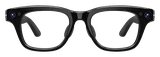
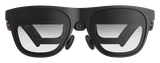
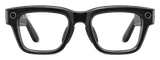
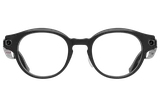
This index covers shipped and unshipped products at once. The Pixel Watch and Pixel Buds generations already on sale have resolved, so those predictions are scored. 26 reports remain open: those about the Pixel Watch 5 and Pixel Buds Pro 3, which Google's announcement is expected to settle, and those about the Android XR glasses, which Google has not announced at all. A rate quoted from this page should say which of the two it describes.
Every source enumerated the same way. Each named source's predictions were listed from their own published output across the full period, then settled against Google's announcements. Listing predictions first and outcomes second is what stops a track record becoming an artifact of which outcomes somebody went looking for.

What counts as a leak, and what does not

What counts. A substantive revelation about a Google wearable Google had not announced: Pixel Watch, Pixel Buds, and the Android XR glasses. Regulatory and certification discoveries count, because finding a product in a filing is reporting, and so do findings pulled from Google's own shipped code.

What does not. Google's own announcements, I/O and press material, reviews, hands-on pieces, deals and roundups restating what was already known. Hardware worn in public by partners ahead of launch is marketing, not a leak. Patents are excluded: a filing describes something a company has considered, not something it will ship.

The products behind these leaks
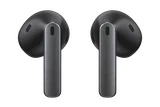
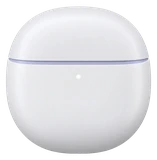
Pixel Watch · Pixel Buds Pro · Pixel Buds 2a

Apple wearables · Samsung wearables · Google devices · the wider Android market to follow

Leaks since March 2021, the most recent from October 2026. Outcomes checked against Google's own announcements. The index updates continuously as leaks are added, corrected and graded.