

GALAXY GLASSES
Samsung previewed a display, not AR glasses
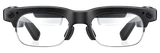
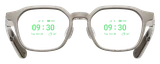
Samsung demoed a 20,000-nit eMagin microdisplay at Display Week in a fixed rig, pitching the screen component to device makers rather than previewing wearable AR glasses.
GALAXY GLASSES2 min read
Galaxy Glasses Are Samsung's Way Out of the Memory Trap
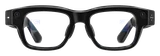
Samsung had its best quarter ever in Q1 2026 thanks to AI memory chip demand, but the same AI boom is pushing its phone division toward its first-ever annual loss because Galaxy phones now have to pay full market price for the memory Samsung's chip division is selling at record margins. Galaxy Glasses, expected to be revealed at Samsung's July Unpacked event with a fall launch at $379 to $499, sidestep this entirely by depending on lenses, cameras, and a Qualcomm chip rather than the memory components Samsung is profiting on selling elsewhere.
GALAXY GLASSES1 min read
Samsung's smart glasses look almost exactly like Meta's. That's the point.
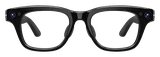
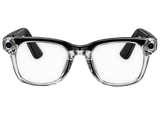
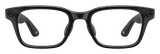
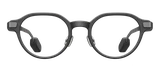
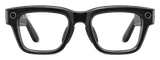
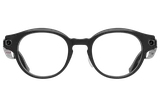
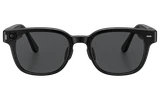
Samsung's first smart glasses, codenamed Jinju, leaked with the same Snapdragon AR1 chip, 12 MP camera, 50-gram weight, and $379 to $499 price as Meta's Ray-Ban line. The display-free smart glasses problem is now a solved commodity, and the actual competition between Samsung, Meta, and whoever ships next has moved entirely to whose AI assistant runs on top of the hardware.
GALAXY GLASSES1 min read
Samsung Galaxy Glasses Are Coming in August With On-Device AI
Samsung officially announced smart glasses launching in 2026 powered by Qualcomm's AR1 platform, developed in partnership with Google's Android XR ecosystem. The glasses will prioritize all-day wearab
META RAY-BAN1 min read
Meta's Smart Glasses Are in Court Over Who Watches Your Footage
A federal class action filed March 4 in San Francisco accuses Meta of misleading Ray-Ban smart glasses buyers about privacy after Swedish reporting revealed contractors in Kenya reviewing footage that included sensitive material. Meta denies wrongdoing.
Snap2 min read
Snap Hands Its Smart Glasses Chip Job to Qualcomm
Snap signed a multi-year deal with Qualcomm to put Snapdragon XR chips in its Specs glasses, ending its run at building custom silicon in-house. The move clears the runway for a 2026 consumer launch but lands two years after Meta proved the playbook works.