




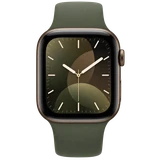
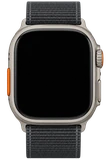
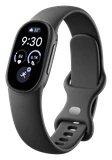
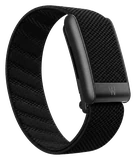




Rob ter Horst put a Polar H10 chest strap on, an Apple Watch Series 12 on his wrist, and went lifting. Weights are the activity wrist sensors traditionally handle worst, and the Series 12 came back at a 0.97 correlation with the strap. Ter Horst runs the Quantified Scientist channel on YouTube and has put a long shelf of watches through the same sessions, and he places the Series 12 above 85% of everything he has measured for weightlifting.
Cycling was closer still. On an indoor bike the watch tracked the H10 almost exactly, at a correlation of 1.0. Running came in at 0.98, with some drift once his heart rate climbed. 9to5Mac reported the results on Friday, and ter Horst's full video runs through each session.
He compared all of it against his longer-term testing of the Series 11 and found the two broadly similar, with the older watch slightly ahead on running. So the rebuilt sensor has not yet produced a jump over last year's model, and ter Horst suggests Apple may still be tuning the algorithms behind the new hardware. He also hand-counted about 5,000 steps to check the pedometer, and the Series 12 was either exact or a little over.
Apple redesigned the heart sensor for this generation, and the change that shows up in ordinary use is how often it reads. The Series 12 takes a heart rate every five seconds even when you are sitting still. 9to5Mac's own review of the watch found that the extra data fills in the parts of a day nobody used to measure, hauling groceries, doing yard work, an afternoon coffee, a bad ten minutes at work.
This is one tester, one watch and a handful of sessions, so 0.97 is not a specification. The numbers carry weight anyway, because the reference here is an ECG chest strap rather than another wrist device, and because ter Horst runs the same protocol on everything he reviews. If you have kept a strap in a drawer for lifting days, this is the first Apple Watch that makes leaving it there a reasonable call.