
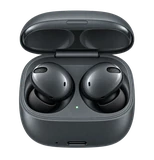
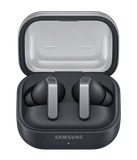
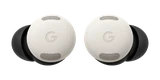
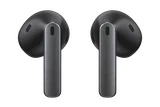
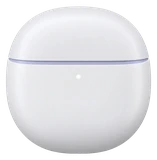
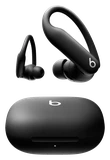

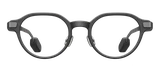


The SM-R545, the ear-hook workout earbuds known so far by the codename Galaxy T1, cleared the FCC on November 4, Android Authority reported from the filings. It's the first time these buds have shown up in the US database, and each earbud gets its own filing. Samsung still hasn't announced them.
China approved the SM-R545 on September 23 and South Korea followed on October 21, with a listing in Indonesia after that. None of those stops said anything to American buyers. This one does, because a US launch now looks like the plan.
The filings mention a "T1 Cable" and a "T1 Project", which matches the Galaxy T1 label found earlier in Samsung's app. The charging cradle is model EP-QR545, and the buds run on a 3.85V battery that charges at 5V from it.
Samsung tested prototype hardware, and the buds held a Bluetooth connection past 14.5 meters in the lab. That's a bit under 48 feet. It won't tell you how they sound or how they feel on a run.
There's an earbud under lab testing and a technical drawing of the charging case in there, and that's all you get of the hardware. Samsung has kept its better product photos and the user manual confidential until launch.
Samsung's app code describes the hook, which wraps around the outside of your ear to hold the bud in place during runs and workouts. The same code lists separate touch-and-hold controls for each side, an earbud fit test, about 63mAh in each bud and a 595mAh case. Samsung hasn't confirmed any of those.
Don't confuse the T1 with the Galaxy Buds On, the other new Samsung pair this year. The Buds On clip around your ear. The T1 hooks over it, and it's built for people who keep pushing their buds back in halfway through a workout.
Samsung hasn't given a retail name, price or date. "Galaxy T1" may not be what's printed on the box. An early 2027 launch next to the Galaxy S27 phones is possible, but that's speculation for now.
If you need workout earbuds today, don't wait on a product with no date. If you've wanted a Samsung pair that stays put and you can hold out into next year, the T1 now looks likely to reach the US.