


Love it
Not so much
- Built-in GPS and an altimeter
- Automatic workout detection that gets it right
- Color AMOLED screen with an always-on mode
- Light enough to wear to bed
- Replaceable battery
- Lift-to-wake often misses
- GPS distance can read short
- Coaching needs a paid plan after three months
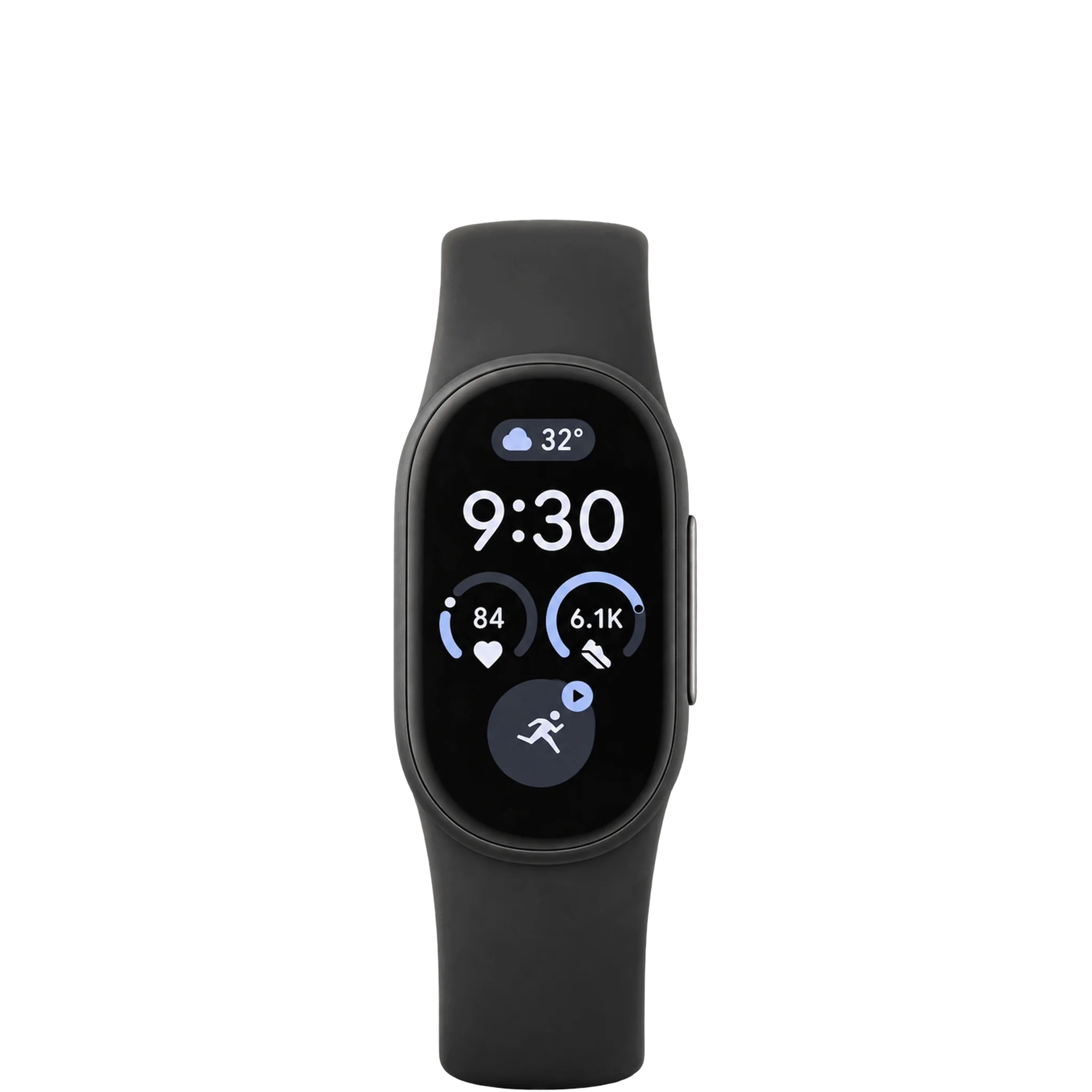
The Fitbit Edge is a training tracker first, and it's a good one. Built-in GPS and an altimeter map your runs, rides and hills without your phone, it spots workouts on its own, and a 1.3-inch color AMOLED screen puts your numbers on your wrist. It's also light enough that you stop noticing it, day or night.
What it isn't is a smartwatch, and if your workouts are mostly walks, you're paying for hardware you won't use.
Workouts
Automatic workout detection is where it shines. It notices when you start, logs the session without fuss and gets the length right. There are dozens of exercise modes, and Google Maps turn-by-turn directions show up on your wrist when your phone is along. GPS distance can come up short of a dedicated running watch, so treat it as close rather than exact.
Screen and build
The AMOLED display sits under Gorilla Glass 3 and has an always-on mode. The tracker weighs 17.7 grams without the band and 32 grams with it, so it's far easier to sleep in than a smartwatch. Small and large bands are both in the box. It's rated 5 ATM and IP68, so you can swim with it.
The one real annoyance is lift-to-wake. Raise your wrist and the screen often stays dark, so you end up pressing the side button to check the time. On a tracker sold on its screen, that gets old.
Health and sleep
Sleep and readiness scores are ready soon after you wake. You get sleep stages, SpO2, heart rate variability, breathing rate and skin temperature. It watches your heart rhythm for signs of AFib while you're still or asleep, and there's an ECG app. Both work only in select countries and aren't meant for anyone under 22, and the rhythm alerts aren't for people already diagnosed with AFib. Treat either as a prompt to see a doctor, not a diagnosis.
Battery
Google gives the battery 7 days, or 2 days with the always-on display switched on. It charges to full in about 90 minutes over the USB-C cable in the box, and a five-minute top-up on a low battery buys up to a day by Google's figure, measured with a faster wall adapter you buy separately. The battery is also replaceable, a first for a Google fitness tracker, so the band can outlast its first battery.
Phones and subscription
It works with iPhone on iOS 16.4 or later and with Android 11 or later, through the Google Health app, and you need a Google account. Tracking works without a subscription. You get three months of Google Health Premium, and after that, personalized coaching needs the paid plan.
What's in the box
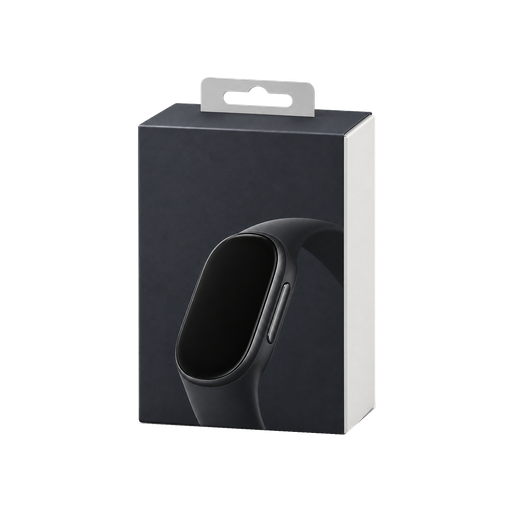
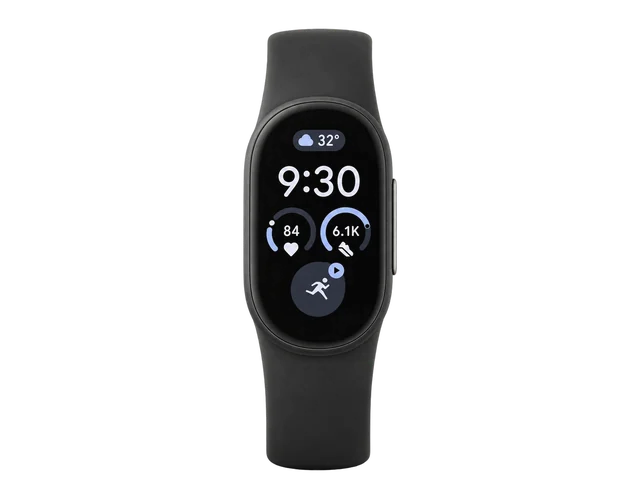 Google Fitbit Edge tracker
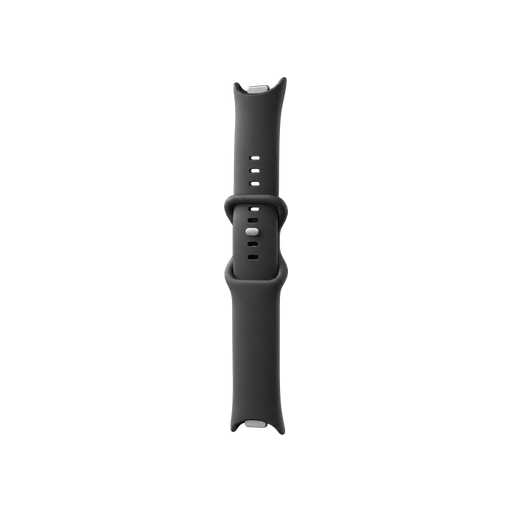 Active Band
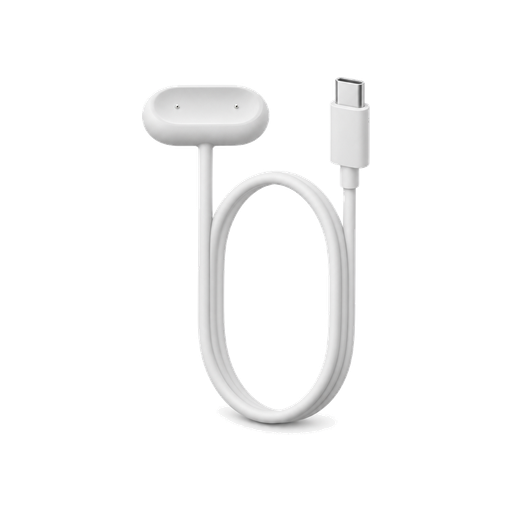 USB-C fast charging cable
 Quick Start Guide
Bottom line
If you train outdoors and want an altimeter and automatic workout detection on top of GPS, the Fitbit Edge is the Fitbit to get, and it beats the Fitbit Air, the Fitbit Inspire 3 and the Garmin Cirqa for that job. If you mostly want steps, sleep and heart health with the odd run, the Fitbit Charge 6, which also has GPS and a color screen, does the job for less money.
Buy it if
Skip it if
- You train hard outside and want an altimeter, not just GPS.
- You want workouts logged automatically, without starting them yourself.
- You mostly track steps and sleep. The Charge 6 costs less.
- You want a full smartwatch.
- A screen that doesn't always wake when you raise your wrist would bother you.