







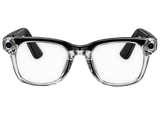
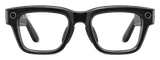
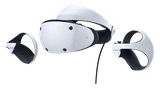


Meta hasn't switched on facial recognition for its smart glasses. It's being sued over it anyway.
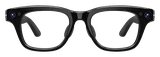
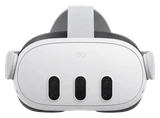
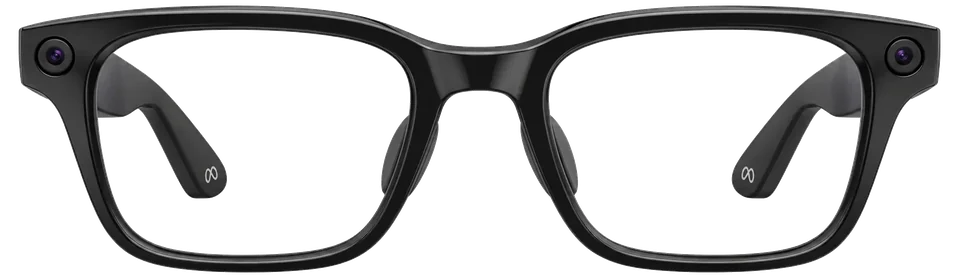
Parents and their children in Illinois and California have filed a proposed class action against Meta over a feature called NameTag, Gizmodo reported on Monday. That's the reported codename for facial recognition software Wired found sitting dormant inside the Meta AI app. By Wired's reading of the code, NameTag was built for Meta's glasses. It would create a biometric signature of a face the wearer looks at and compare it against faceprints stored in a database on the wearer's phone. The code shipped to millions of devices. It was never turned on.
Wired couldn't say where those faceprints would come from. The lawsuit has an answer, and it's the part that should worry Meta most. The plaintiffs argue the data could be pulled from Facebook and Instagram, and they point to Meta's own recent patent filings to make the case. One is titled "User Identity Verification without Sharing Biometric Data With Platforms." According to Gizmodo, it describes comparing biometric data captured by hardware like smart glasses against social media material such as profile photos, tagged photos and videos.
The complaint also names Meta's recently released AI models, including one called Emu, which the plaintiffs say was trained on Instagram and Facebook pictures and text that were illegally obtained from users. Meta had not responded to a request for comment.
In 2020 Facebook agreed to a $650 million settlement after it was found to have wrongly collected the faceprints of a billion users. Meta's defense at the time was that its terms of service counted as consent.
A photo tag on a website is something you can untag, and a face scanned by a stranger's glasses on the street is not. Glasses are the first computer that looks where you look, and that's exactly why the industry wants them and exactly why regulators and courts keep circling. Meta already sells more camera glasses than anyone, so it is the test case whether it likes it or not.
A court still has to certify the class action, over a feature that was never activated. But a dormant feature, a patent describing how to feed it, and a lawsuit connecting the two is a paper trail, and every company building glasses with cameras will be reading it.