


Love it
Not so much
- About a week per charge
- Charging case in the box
- No subscription
- Syncs with Apple Health and Health Connect
- FSA and HSA eligible
- Unreliable heart rate in hard workouts
- Steps and calories run high
- Uneven inside
- Sleep reads are hit or miss
- Clunky app
The best thing about the RENPHO LYNX is how little it asks of you. There's no subscription, the battery goes a long time, and the free Renpho Health app works on an iPhone or an Android phone. For a first smart ring, that's most of what matters.
What it doesn't do well is precision. Heart rate isn't especially accurate, and during interval training it's unreliable. Step counts and calories tend to run high. If you're counting calories to lose weight, treat its numbers as a rough guide.
Battery and charging
RENPHO gives two figures on its own product page: seven days per charge in one place and 12 days on a single charge in another. Plan on about a week and you won't be caught out. The charging case comes in the box, holds an extra charge and keeps the ring safe when it's off your finger, so you can top it up while you're out.
Comfort and build
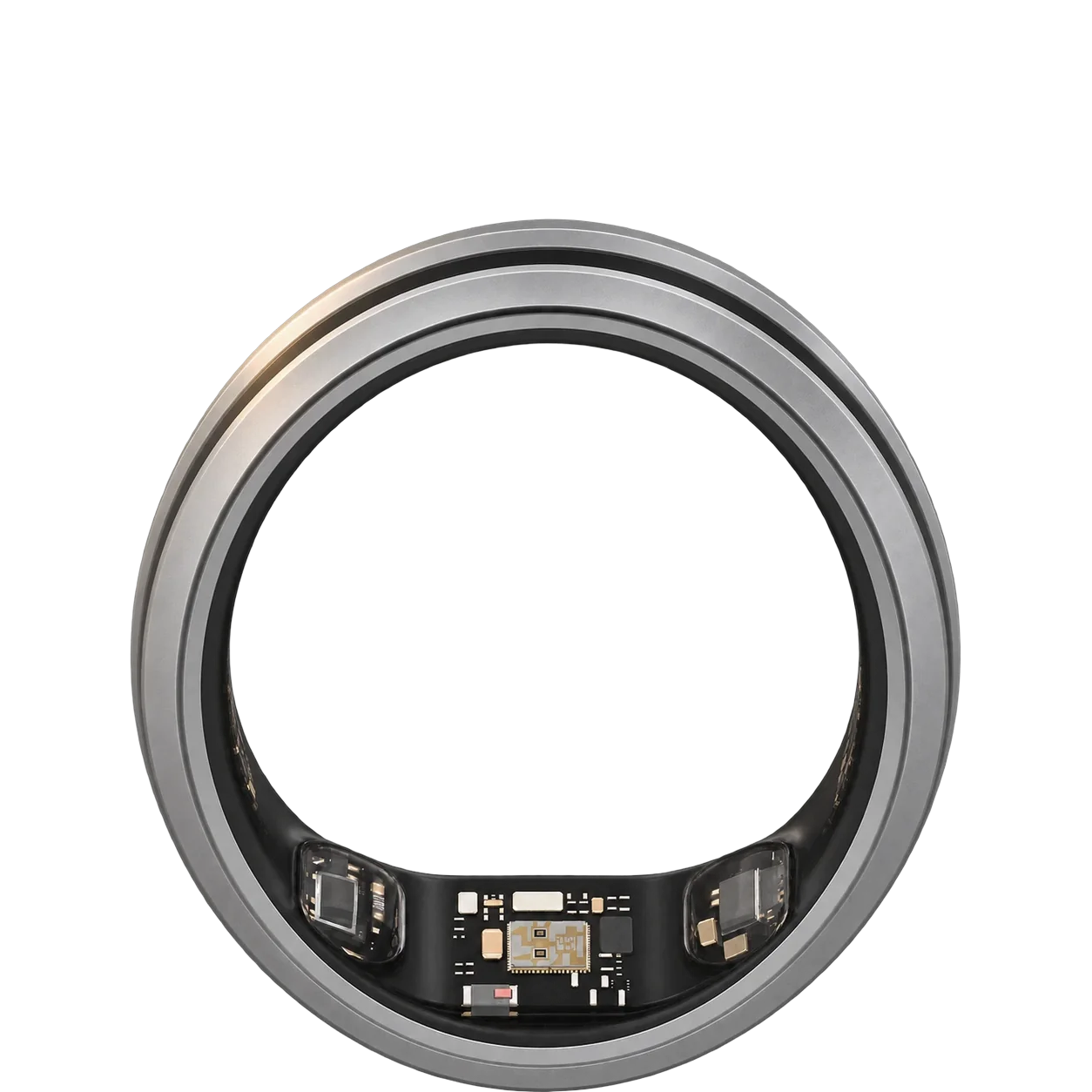
The LYNX weighs 4 to 5 grams by RENPHO's figure, and it feels tough. The titanium outside is rated 5 ATM, and RENPHO says it handles swimming and hiking. The inside is less friendly. It can feel clunky and uneven against your finger, which you notice most at night. The look is plain, so it won't draw attention.
Tracking
It covers the everyday basics: sleep, heart rate and HRV, blood oxygen, stress, steps, distance and calories, rolled into a daily score. The sleep data goes into cycles, efficiency and how long you take to fall asleep, but how well it reads your nights is hit or miss.
RENPHO lists women's health tracking in the app but doesn't spell out what it covers. If you want period and ovulation predictions, check that before you buy, or look at the Luna Smart Ring Gen 2.
This is a ring for everyday health, not for an athlete who trains by the numbers.
The app
Renpho Health needs no subscription, and it syncs with Apple Health and Google Health Connect, so your data can live with the rest of your health records. On an iPhone, it needs iOS 15.1 or later. The app works, but it's not much fun to use.
How it compares
Against the QALO SR-2, the LYNX wins on battery, seven days against five by each maker's figure, and it costs less. Get the SR-2 only if you want the wider set of readings QALO lists, including temperature trends. The Luna Smart Ring Gen 2 is close for most people, and the LYNX gets the nod because it's cheaper. Pay more for the Luna if cycle and fertility tracking is your main reason for a ring, since it leans further into that and syncs with Clue. The Leep Ring is the pick if you want a slim titanium ring for sleep and stress; the LYNX costs less and adds women's health tracking. If you train and want to know when to rest, the Amazfit Helio Ring is built around fitness.
What's in the box
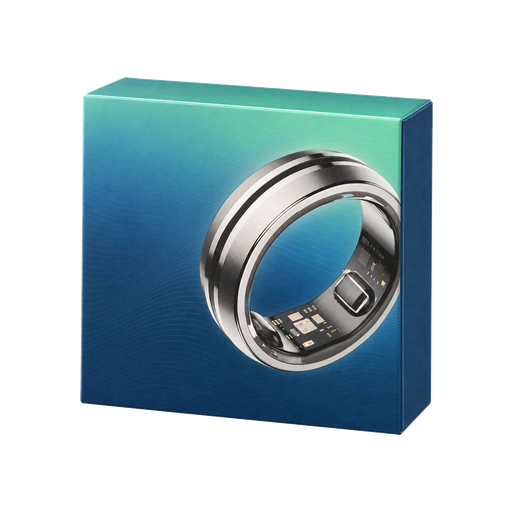
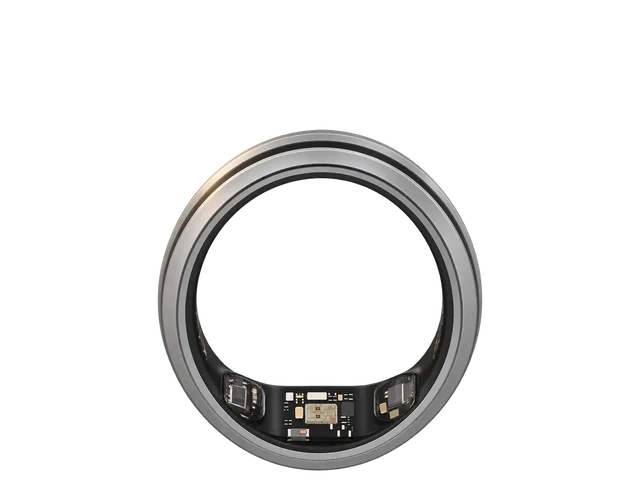 RENPHO LYNX Smart Ring
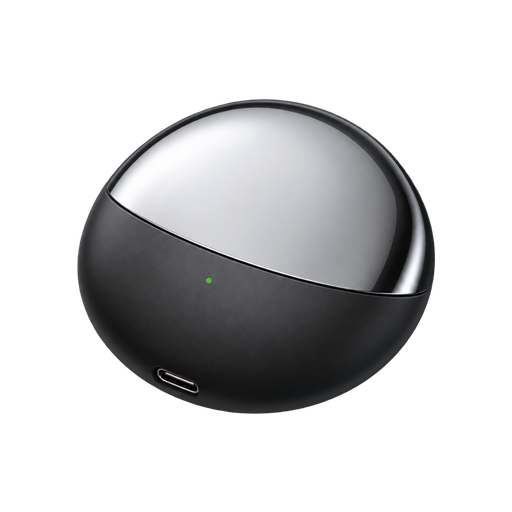 Charging case
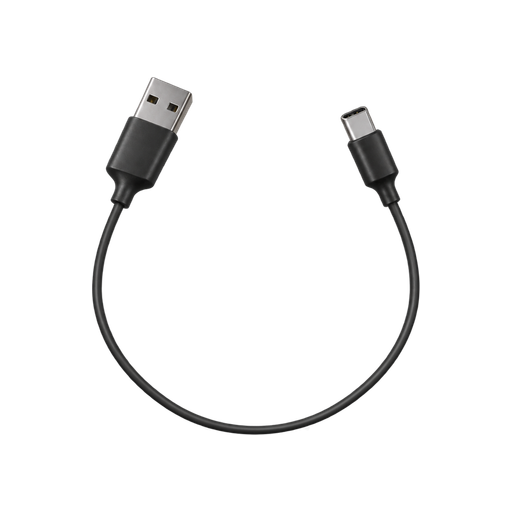 Charging cable
 User manual
Bottom line
The RENPHO LYNX is the ring to get if you want basic sleep and activity tracking with no monthly fee and about a week between charges, and you can live with rough numbers. It's our pick over the QALO SR-2, which it outlasts and undercuts, and over the Luna Smart Ring Gen 2 unless cycle and fertility tracking is your main reason for a ring. If you train hard, the Amazfit Helio Ring is built for that job.
Buy it if
Skip it if
- You want your first smart ring and don't want a monthly fee.
- You want sleep and activity basics for less than the Luna costs.
- You want to pay with FSA or HSA dollars.
- You do interval training or need accurate workout heart rate.
- You want period and ovulation predictions. Get the Luna Smart Ring Gen 2.
- You notice how a ring feels on the inside.