


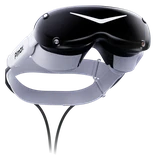

Smart glasses are where live sports, real-time stats, and in-play betting come together.
Your wrist, ears, fingers, and face are already taken. The race everyone is now running is for the one patch of you still unclaimed.
The health features already on your watch are more capable than most people realize, and the best ones haven't shipped yet.
Snap may have the best AR software platform in tech, but its $2,500 Specs glasses need to become a successful consumer product before Apple and Google catch up.
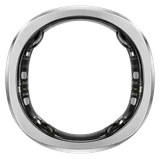
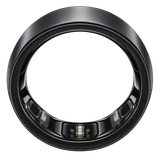
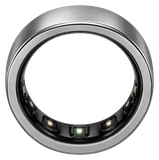
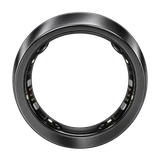
Here's every ring, who it works with, and which ones the patent war might kill before they reach you.
The wearable computing transition people have been describing for a decade is starting to look like a product roadmap.
Samsung and Google unveiled their first AI smart glasses, designed by Gentle Monster and Warby Parker, launching this fall. They pair with iPhone too.
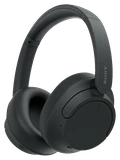
While Sony excels in sound, the Ray-Ban Meta Gen 2 prioritizes visual interaction over audio quality.
Six words from a 22-year Apple designer: we didn't want to brand your head.
Every major tech platform is now building toward smart glasses, with products either confirmed, demonstrated, or widely reported to be in development.
Meta's annual hardware event is September 23. New Ray-Bans and reportedly a smartwatch are coming.
South Korean researchers built a sign language translator from seven wireless rings with no gloves, no wires, and 88% accuracy on people the AI had never seen before.
Meta's live camera AI lets you point your phone at anything and ask what it's looking at in real time. It is either a brilliant on-ramp to the Ray-Ban glasses or a quiet argument against buying them.
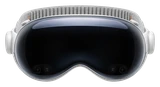
The iRacing Vision Pro app is the latest in a string of surprising professional and niche uses the headset has quietly accumulated
Samsung's Galaxy Ring 2 will launch in early 2027 as the first smart ring built specifically to support Brain Health, the AI dementia detection system Samsung unveiled at CES 2026.
Apple reportedly dropped Touch ID from this year's Apple Watch in favor of better battery life and health sensors. The fingerprint unlock feature won't arrive until at least 2028.
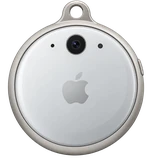
Apple's pendant idea came from the glasses team, as an option for people who don't want anything on their face. It's part of a three-device AI sensor strategy, not a standalone bet.
Every smart ring overstates battery life by 20 to 30 percent. Here is what each one actually delivers, ranked from longest to shortest real-world use.
Five wearable health stories dropped this week, from Oura putting a doctor in the app to Samsung predicting fainting before it happens. They're not five stories. They're one.
Google launched the $99.99 Fitbit Air and renamed the Fitbit app to Google Health. Its new AI health coach will work with Apple Watch data too.