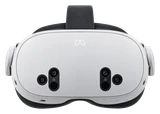
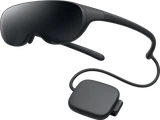
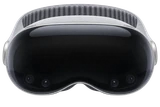
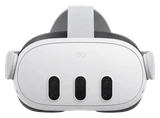
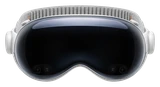

Apple's new chief executive would consider leaving head-worn computing behind if buyers never turn up. Bloomberg's Mark Gurman reported that John Ternus is willing to drop the category outright should it fail to catch on, and that colleagues who have discussed the Vision Pro with him say he was skeptical of it from the start, seeing it as too bulky and too costly to reach a mass audience.
The layoffs that produced this reporting turned out to be wider than the first count. Gurman put the initial figure at around 100 jobs cut from the Vision Products Group, concentrated on the gaming and Immersive Video teams. He now reports the cuts also took in Vision Pro staff sitting elsewhere in the company, across device security, audio engineering, Siri integration, testing and visionOS. The first number described a division. The second describes people who were working on the headset from inside four other parts of Apple.
That list is worth reading as an org chart rather than a tally. A device team ships a device and can be cut back to a skeleton without touching anything else. The people named here were doing platform work: securing it, tuning its audio, wiring it into Siri, testing it, and building the operating system underneath. Apple staffed the Vision Pro like a platform, and a platform is the expensive thing to keep funded when the hardware it was built for is not selling.
visionOS runs on the glasses too, so those cuts land on software both products share.
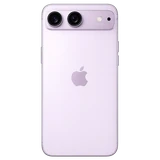
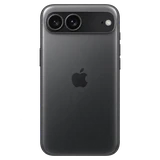
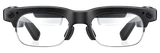
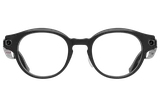
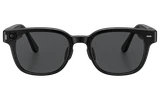
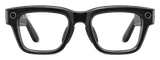
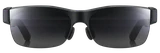
Ternus still backs the glasses. That project, code named N50, remains on track to launch next year, and it is the only head-worn thing at Apple with a date attached to it. The overhauled Vision Pro successor, code named N224, is not expected before the end of 2028. More than two years separate the headset somebody can buy today from the one meant to replace it, and on Gurman's account that later date now rests on how the first pair of glasses sells.
None of this changes what the device does. A Vision Pro bought this afternoon keeps every feature it shipped with, and visionOS carries on getting work because the glasses need it. What the reporting takes away is the case for waiting. Anyone holding out for a lighter, cheaper Apple headset is waiting on a decision Apple has not made, against a date more than two years out, set by a chief executive who has told the people around him he never believed in the product. A conditional plan is not a roadmap, and buying on the strength of one means buying on somebody else's sales figures.
Inside the Vision Pro group, people have spent months lobbying Ternus to stay the course while sales continue to underwhelm. They had already lost their most senior advocate. Paul Meade, the executive who ran both the Vision Pro and the smart glasses division, left Apple for OpenAI in June.