

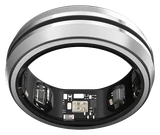



Love it
Not so much
- Light enough to forget, even in bed
- Strong sleep tracking
- Good workout heart rate for its size
- Irregular heart rhythm warnings
- Dries fast and doesn't hold smells
- No screen at all
- No built-in GPS, and phone-based run distance can be off
- Coaching and new health trends need a paid plan
- Busy, graph-heavy app
- No ECG
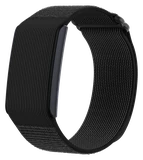
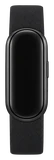
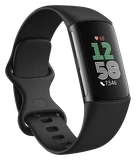
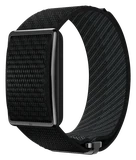
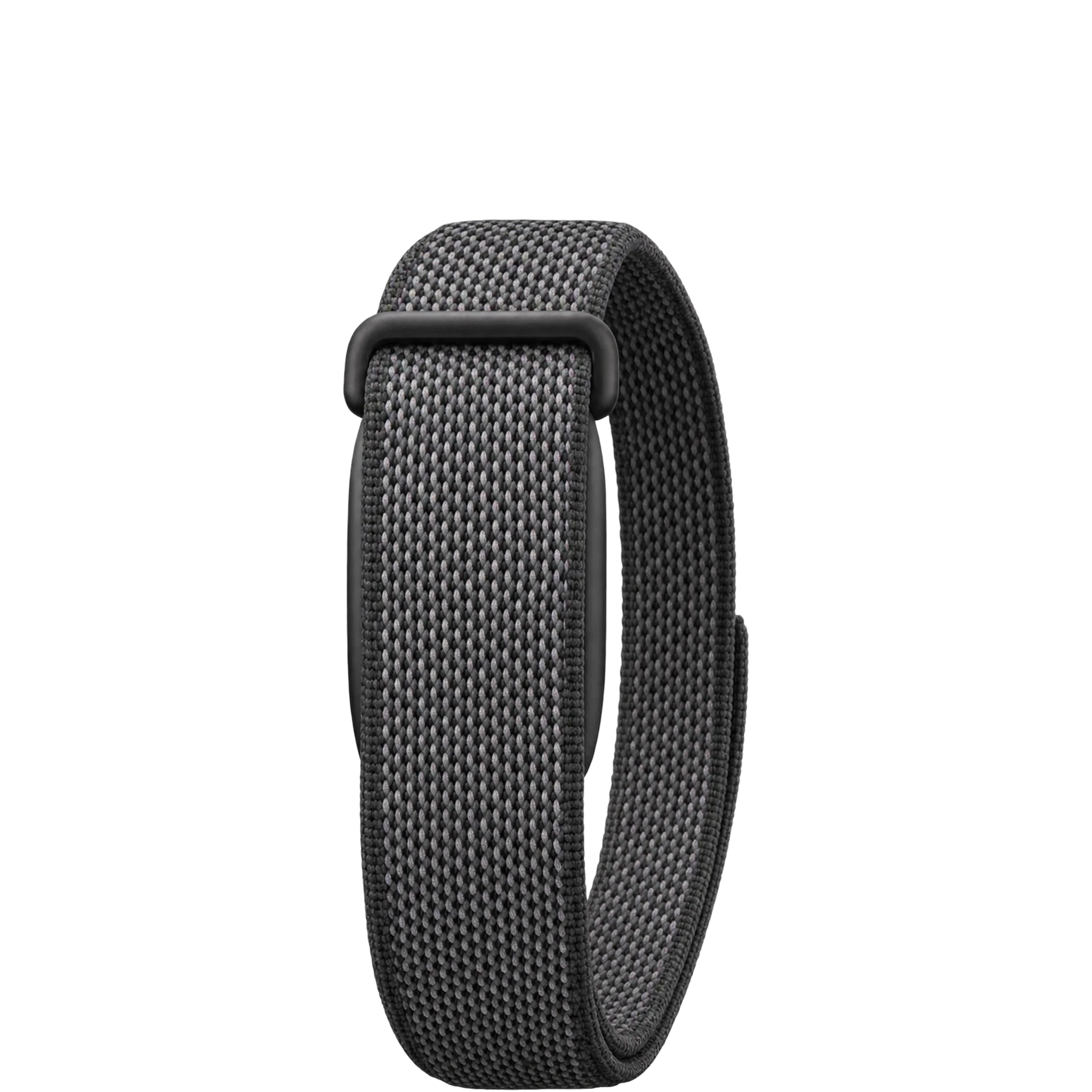
The Fitbit Air is a tracker built to be forgotten. At 12 grams with the band, it disappears under a sleeve and stays out of the way in bed, so it's the one to get if you've given up on wearing anything overnight. That comfort is the whole pitch, and it delivers.
What you give up is a screen. A status light shows when it's charging or running low on battery, and every number lives in the Google Health app on your phone. If you want the time, your heart rate or your pace on your wrist, this isn't your tracker.
Comfort
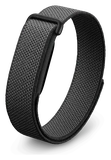
The slim textile band dries fast after a swim or a hard workout and doesn't hold on to smells. It's water resistant to 50 meters, so swimming is fine.
Tracking
Heart rate is good for a band this small. In workouts it stays close to rival bands, though it isn't flawless, and its overnight resting heart rate can read a little higher than other trackers'. Step counts are reasonably accurate on walks.
There's no GPS inside. Distance and routes come from your phone's GPS, and run distance can be well off, so if you want to run without your phone, look at the Charge 6 or the Edge. The Air recognizes runs and walks on its own and records many other activities automatically, once they've gone on long enough, and you can change how long that takes in the app.
Sleep and health
Sleep is the strength. You get a Sleep Score and sleep stages each morning, and they hold up well against other trackers. Overnight it also reads blood oxygen, heart rate variability, breathing rate and skin temperature variation, and it can warn you about an irregular heart rhythm that can point to AFib. It can't take an ECG. Cardio Load and a Readiness score tell you when to push and when to rest.
Battery
Google's figure is a week per charge, and it gets there. A full charge on the included USB-C cable takes about 90 minutes, and five minutes gets you about a day. If you want longer between charges, the Inspire 3 and the Amazfit Helio Strap both go a few days further.
The app and subscription
Tracking itself is free, and the band is worth owning at that level. The AI coach, training plans and the newer blood pressure and insulin resistance trends need Google Health Premium. The Air comes with a three-month trial, and after that it renews as a monthly subscription, so check Google's current Premium price. The blood pressure feature is a trend, not a reading: the Air doesn't measure blood pressure. The app is busy, with a lot packed into its graphs. It works with iPhone and Android, and on an iPhone it syncs both ways with Apple Health.
What's in the box
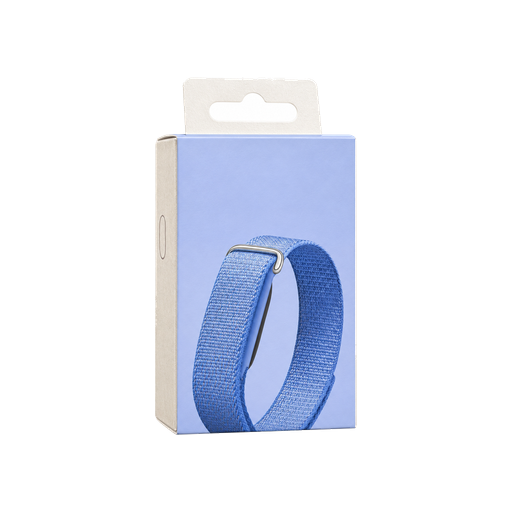
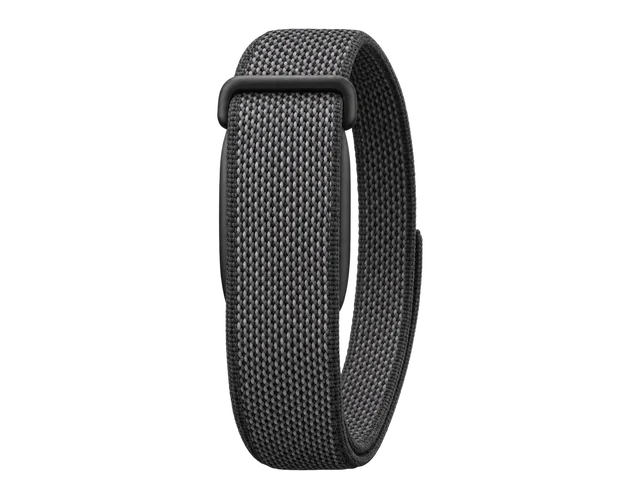 Google Fitbit Air tracker
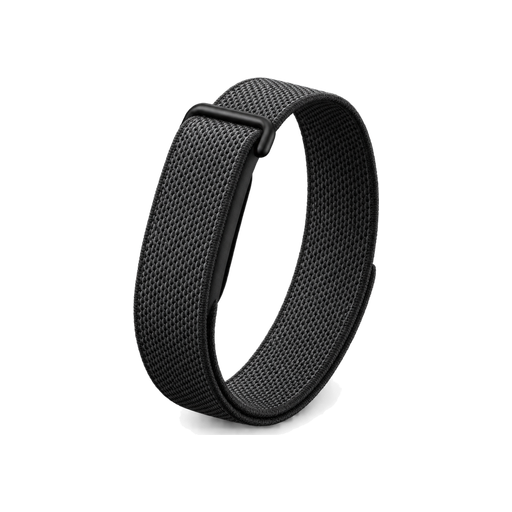 Wristband
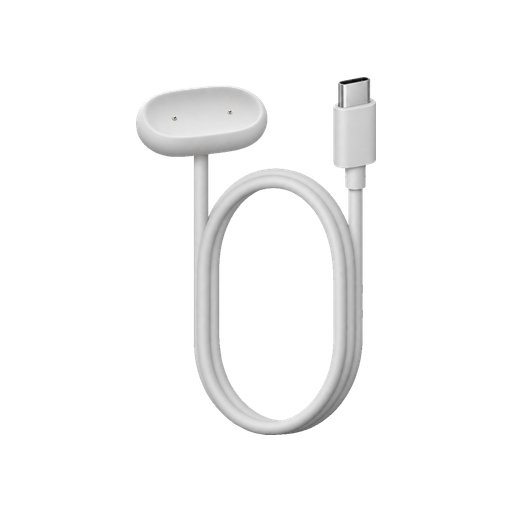 USB-C Charging Cable
Bottom line
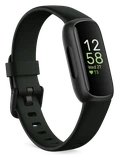
Buy the Fitbit Air if the thing you want most is a band you never notice, day or night, and you're happy to read everything on your phone. Get the Fitbit Inspire 3 instead if you want your stats and notifications on a screen and longer between charges. If you want to run without your phone, the Fitbit Charge 6 or Fitbit Edge adds a screen, built-in GPS and an ECG.
Buy it if
Skip it if
- You want the lightest band you can wear to bed every night.
- Sleep and recovery matter more to you than numbers on your wrist.
- You'd rather check your stats on your phone than on your wrist.
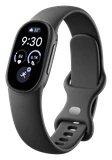
- You want the time or your stats on your wrist. The Inspire 3 has a screen and costs less.
- You want to track runs without carrying your phone. The Air has no GPS of its own, and the Charge 6 and Edge do.
- You want the AI coaching but won't pay a monthly fee after the trial.