


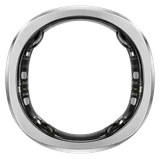
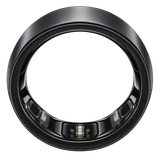
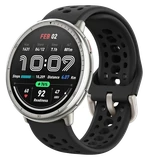
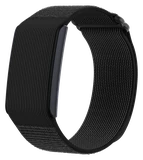
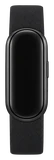

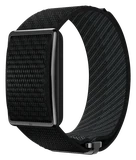


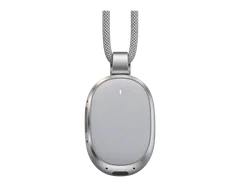
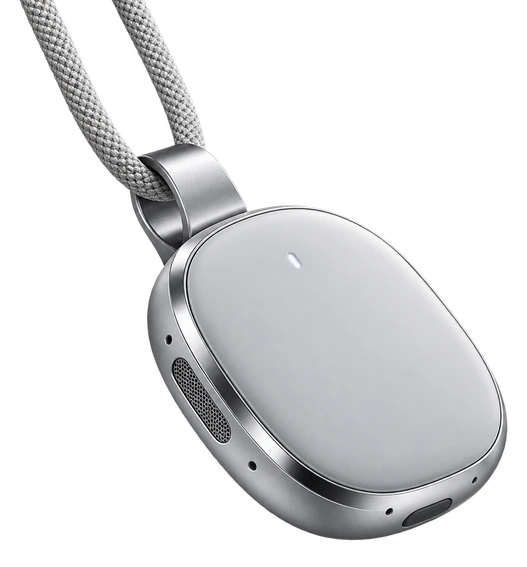
Meta has FCC approval for a small cellular device, and iDevice has found details in the filing that point to the Muse Charm. The FCC granted ID 2AGOZ-6VA to Meta Platforms Technologies on October 30, four days after Meta applied. The listing calls it a "Wearable device," model 6VA.
The filing never uses the name Muse Charm. The photos, user manual and setup guide are sealed until April 28, 2027, at Meta's request.
The test reports still describe the device closely. The FCC Wire flagged the filing on October 30. iDevice reviewed the exposure and label exhibits and found details that point to Muse Charm, though the filing doesn't name it. The radiation exposure report (Sporton, FA661823-01) tested it at 5 mm from the body on six faces, and it calls the first one "Front Screen." There are no wrist tests and no tests against the head. A watch would need the first and a phone the second, so this is something you carry or hang on your body. Meta's label document says the FCC ID is shown on the device under Settings > Device > About, so it has its own screen and menus.
FCC approval is one of the last steps before a cellular device can go on sale in the US, so a December launch still fits.
That fits the Charm. Meta said at Connect in September that it would ship in time for the holidays. Outlets that covered the keynote, Tom's Guide among them, described a 2-inch OLED touchscreen and built-in 5G. No other announced Meta product has both a screen and a cellular radio. Meta's glasses are filed with the FCC as glasses, and its watch-like device has slipped to 2027, according to a report this week.
It isn't the Muse Home Link either. Meta's own Muse Home Link user guide lists FCC ID ZVAOH000040, model HHL-002, a small USB-C device that connects Muse to the home network, filed by contract manufacturer Tonly Technology, with Wi-Fi and Bluetooth but no cellular. 6VA, by contrast, was filed by Meta itself and has a cellular radio.
The cellular details line up with what's already known. The 5G test report (FG661823-01B) lists the radio as "LTE/NR Redcap," a lighter kind of 5G built for small gadgets. Qualcomm said at Connect that the Charm runs on its Snapdragon Wear Elite chip, The Shortcut reported, and TechRadar reported in July that the chip supports 5G RedCap. The exposure report lists LTE as "Data only," and Digital Trends reported this week that the Charm can't make calls.
The filing does add a few things. The LTE report (FG661823-01A) says the device supports LTE Category 1 only, the slow tier used by trackers and watches. The radios cover low bands used by all three big US carriers, and there is no C-band or millimeter wave 5G. Wi-Fi is Wi-Fi 6 on 2.4 and 5 GHz, with no 6 GHz. The highest body exposure reading was 0.90 W/kg, under the FCC limit of 1.6.
The dates are the most useful part. Sporton received its test unit on August 12, six weeks before Meta showed the Charm on stage, and finished testing on September 27.
The Information, whose report put that device in 2027, also said this week that the Charm will cost $300 with up to 12 months of free Verizon 5G. Meta hasn't confirmed either. FCC approval is one of the last steps before a cellular device can go on sale in the US, so a December launch still fits. The filing lists no price, no battery size and no carrier. We covered the Charm at Connect and the price report.