

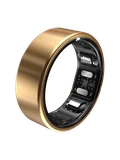
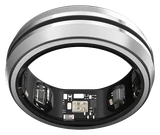
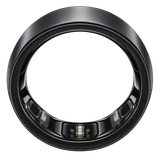
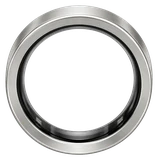
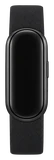
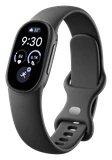
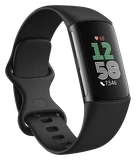

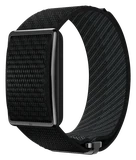


HIYD is a sensor that sits against the back of the watch you already own and adds the health tracking that watch doesn't have. As of November 23, its Kickstarter campaign had 5,444 backers and $961,993 pledged against a $10,000 goal, with the campaign set to close on December 11.
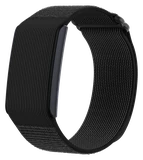
The pitch is for people who like their watch and don't want to swap it for a smartwatch. HIYD says the sensor is 2.7mm thin and 25mm wide, uses no magnets or glue, and holds on with microsuction, a pad covered in tiny cells that grip the caseback. The company says that keeps it safe for mechanical watches, whose movements can be thrown off by magnets. HIYD says it tracks heart rate, heart rate variability, sleep, movement and calories, and estimates VO2 max. Data goes to a phone app over Bluetooth, and Kickstarter backers get the app with no subscription.
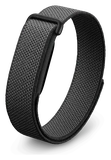
Pledges for the sensor with a fabric band start at $229 now that the $199 tier has sold out. HIYD says the sensor runs four days on a charge, or up to 20 days with its Battery Band. Sleep tracking uses the included band rather than the watch, so the watch can come off at night.
Two things decide whether this works, and no independent review has tested either. The first is comfort. Even a thin layer changes how a watch sits on the wrist, and HIYD's answer is a claim that it fits 95% of mechanical watch casebacks, plus a 30-day refund if the sensor won't attach to yours. The second is heart rate. An optical sensor needs steady contact with skin, and this one is wedged between a watch case and your wrist. HIYD says its pilot prototype matched top competitors on sleep, steps and HRV, and it has promised to publish full accuracy benchmarks and third-party test results before it ships.
HIYD says the first batch ships in Q2 2027, and its reward tiers list May 2027 for estimated delivery. The company itself says hardware schedules can shift. This is a crowdfunding pledge, not a purchase, and Kickstarter says rewards aren't guaranteed. Backing it is a bet on a small team delivering a new sensor, and nobody will know how well it tracks until units reach backers.