







Love it
Meh
- Fast A19 chip
- Up to 26 hours of video playback
- MagSafe and Qi2 at up to 15W
- Light at 169 grams, rated IP68
- 2x zoom at optical quality
- Doesn't dim enough at night
- No ultra wide camera
- No ProMotion or always-on display
- No wired display output over USB-C
- Adapter sold separately
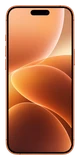
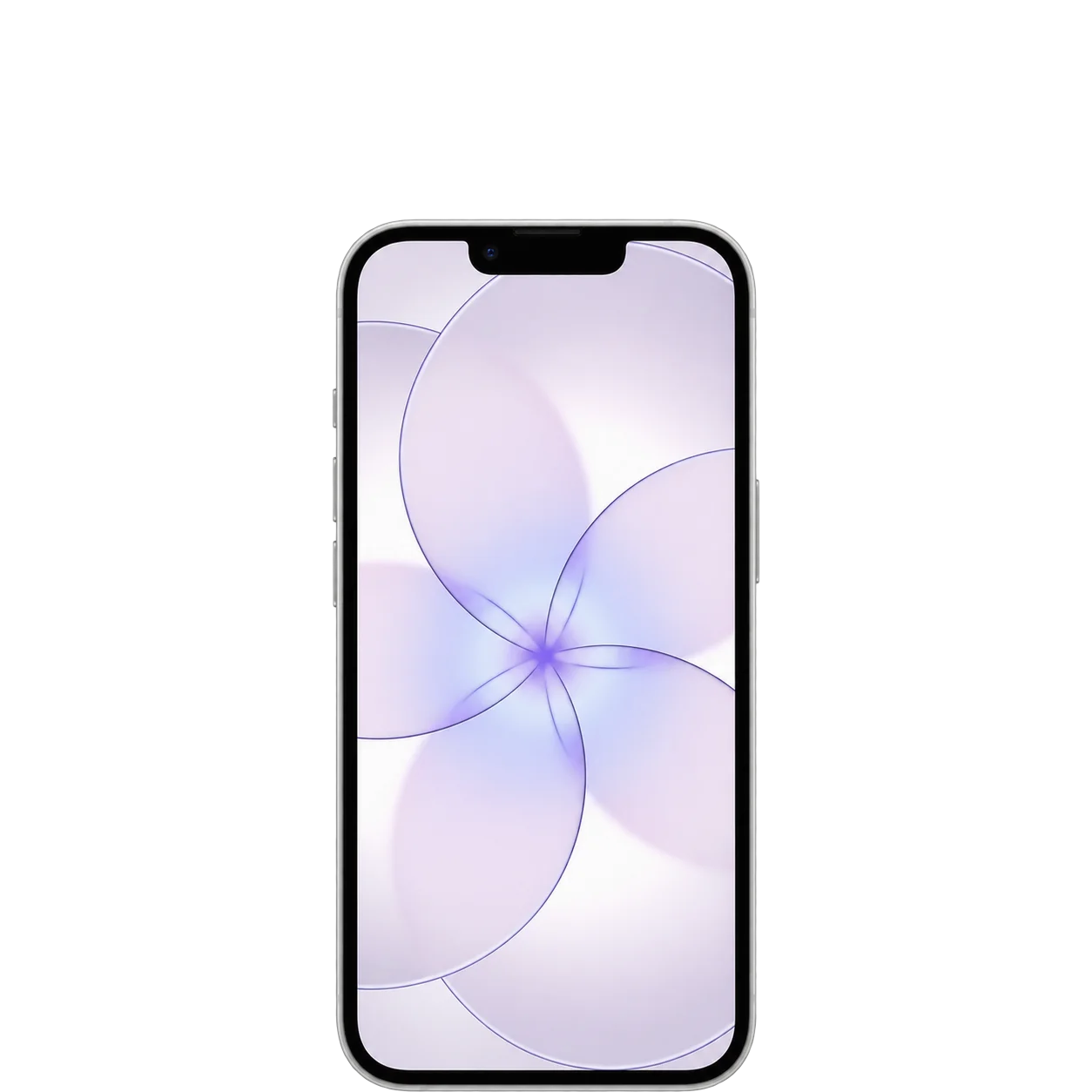
The iPhone 17e is the plain iPhone done well. It has the A19 chip, Face ID, the Action button, MagSafe charging and an IP68 rating. What it leaves out is a second rear camera, a high refresh rate screen and an always-on display. For most people, those are easy cuts to live with.
Speed
The A19 keeps everything quick, from apps and games to photo editing, and in daily use it never feels like the budget model. Its C1X modem is up to twice as fast as the C1 in the model it replaces.
Battery and charging
Battery life is a strength. Apple's figure is up to 26 hours of video playback, or up to 21 hours streamed, which is plenty for a full day. Fast charging needs a USB-C adapter rated 20W or higher, sold separately, so an old low-power iPhone brick won't do it. Wireless charging works with MagSafe and Qi2, at twice the speed of the model it replaces.
Screen
The 6.1-inch OLED is sharp and bright enough indoors and on most days outside, but the iPhone Air and iPhone 18 Pro get much brighter in direct sun. It doesn't get as dim as you'd like for reading in bed with the lights off. And if you read a lot on your phone or struggle with small text, a bigger screen will be easier on your eyes.
Cameras
There's one rear camera, a 48MP Fusion main camera with optical image stabilization. It zooms to 2x at optical quality and digitally up to 10x, which covers most of what you'll shoot. There's no ultra wide, so you can't step back for wide group shots or big landscapes. Video goes up to 4K Dolby Vision at 60 frames per second, and the front camera has autofocus.
Build and connections
It weighs 169 grams, with an aluminum frame and a matte finish in Black, White or Soft Pink. Apple says the Ceramic Shield 2 front resists scratches better than the last generation and cuts glare. It's rated IP68 for water and dust. Storage comes in two sizes and tops out lower than on the pricier iPhones, which matters if you keep a lot of video on your phone. One limit to know: Apple says it has no wired display output over USB-C, so it won't drive a monitor or display glasses by cable. Moving in is easy, with Quick Start from another iPhone and Move to iOS from an Android phone. In the US it's eSIM only and won't take a physical SIM card, so check that your carrier and plan support eSIM before you buy.
How it compares
The iPhone Air is the better phone to carry every day. It's lighter and thinner, its bigger screen has ProMotion and an always-on display and gets much brighter outdoors, and its front camera keeps you framed on video calls. Battery life is close between the two. Get the Air if you can stretch to it, and the 17e if you can't. The iPhone 18 Pro is the one for photos, with an ultra wide and a telephoto beside its main camera, a ProMotion screen that stays on, and far more storage. The iPhone 18 Pro Max runs much longer between charges, at up to 45 hours of video playback by Apple's figure, and adds a bigger screen and more cameras.
What's in the box
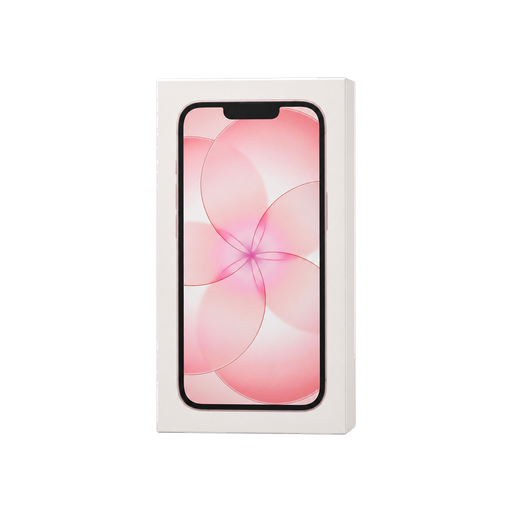
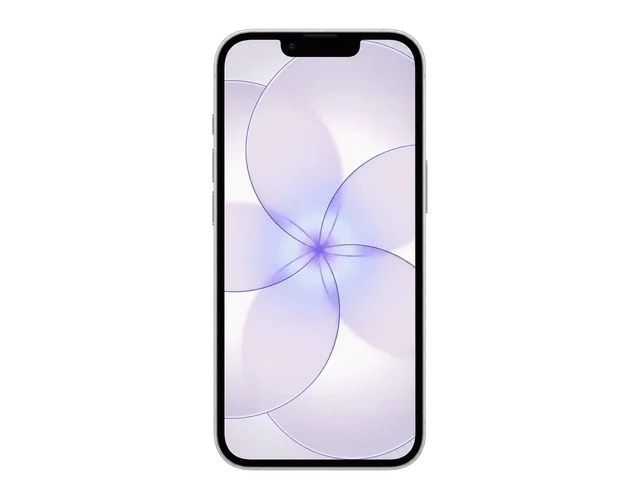 iPhone 17e
 USB-C charge cable (1 m)
 Documentation
Bottom line
The iPhone 17e is the iPhone to get when your budget is fixed: it's fast, light, lasts all day and charges on MagSafe. If you can stretch, the iPhone Air (1st gen) is the better phone, with a bigger, much brighter screen in a lighter, thinner body.
Buy it if
- Your budget is fixed and you want a current iPhone with the A19 chip.
- You want MagSafe and Qi2 charging at up to 15W without paying for a pricier iPhone.
Skip it if
- You read a lot on your phone. Get the iPhone Air for its bigger, brighter screen.
- You want ultra wide and telephoto cameras. Get the iPhone 18 Pro.
- You need to connect a monitor or display glasses by cable.
- You read in bed with the lights off.
Last checked Nov. 15, 2026 · We may earn a commission.