


Love it
Not so much
- Remarkably thin and light
- Excellent 48MP main camera
- Screen stays easy to read in sun
- Titanium build, IP68
- Shorter battery than the iPhone 17 and Pro models
- No ultra-wide or telephoto lens
- Tinny speaker at full volume
- eSIM only, no mmWave
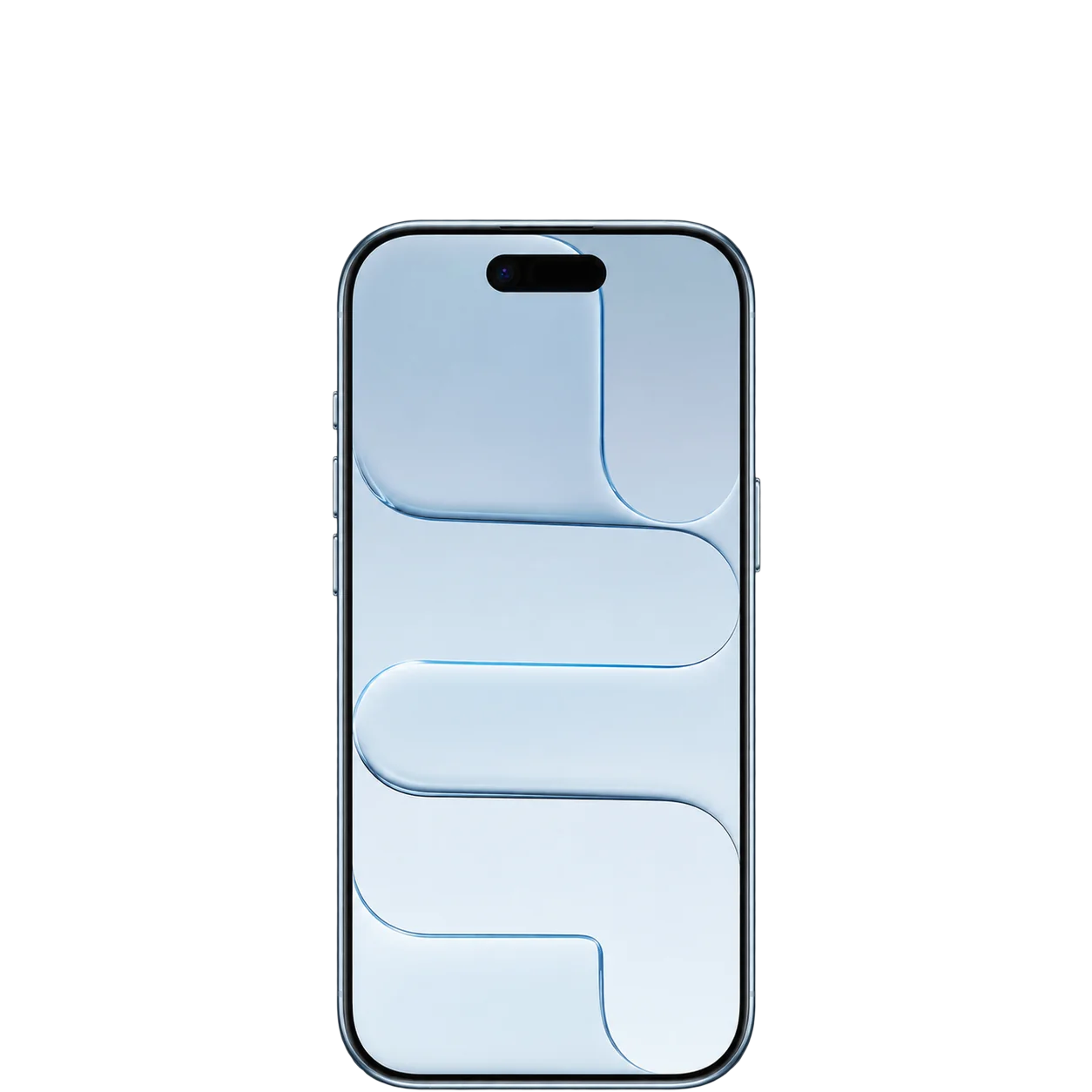
The iPhone Air is 5.64mm thick and weighs 165 grams, and the first time you pick it up it feels almost unreal. It's the easiest iPhone to hold in one hand, though the large screen is still a stretch for your thumb.
You pay for that thinness in battery. A normal day gets you to bedtime, but on a long day out or a day of heavy scrolling, keep a portable charger in your bag.
Battery and charging
Apple's figure is 27 hours of video playback, less than the iPhone 17 and the Pro models get. That's better than you'd expect from something this thin, but heavy days need a top-up. The iPhone Air MagSafe Battery, made only for this phone, stretches video playback to 40 hours.
It fast charges by cable and charges wirelessly on MagSafe and Qi2 pads. There's no power adapter in the box, so budget for one if you don't already own a fast charger.
Camera
There's one 48MP camera on the back, and it takes excellent photos. It also crops to a 2x telephoto shot. There's no ultra-wide and no true zoom lens, so wide landscapes, tight rooms and your kid's game from the bleachers are out of its reach. If you mostly shoot people, pets and food at arm's length, you won't miss much.
Screen and speed
The OLED screen is large and smooth, and it reaches 3,000 nits outdoors, so it's easy to read in direct sun. The A19 Pro chip is fast. The speaker gets loud but sounds tinny at full volume.
Build
The frame is titanium with Ceramic Shield on the front and back, and it's rated IP68, so it survives an accidental drop in water. Apple's warranty doesn't cover liquid damage, so don't take it swimming.
Before you buy
It's eSIM only, with no physical SIM slot, so make sure your carrier supports eSIM. It doesn't support mmWave, the fastest short-range cellular band. Emergency SOS and texting by satellite are built in. iPhone 17 cases don't fit, so buy one made for the Air. The charging port doesn't carry video, so it won't drive a monitor by cable.
How it compares
The iPhone 17 is the better phone for most people. It lasts longer, adds an ultra-wide camera and costs less. The iPhone 18 Pro adds a telephoto and an ultra-wide and lasts longer, and that's the one to get if the camera matters most. Against the iPhone 17e, the Air wins: its screen is bigger and much brighter, and it's thinner and lighter. Get the 17e only if your budget is fixed.
What's in the box
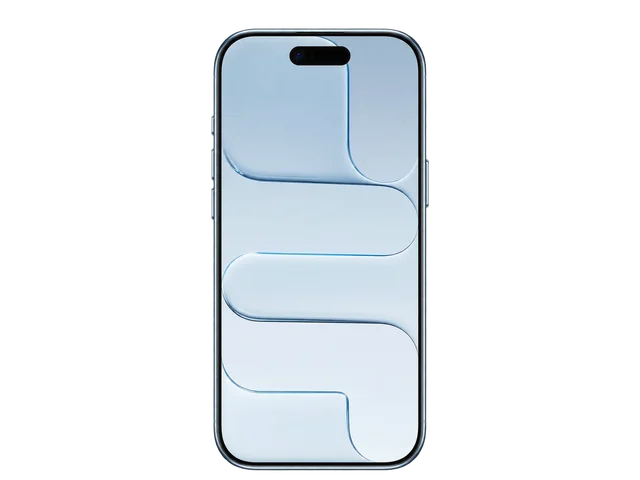 iPhone Air
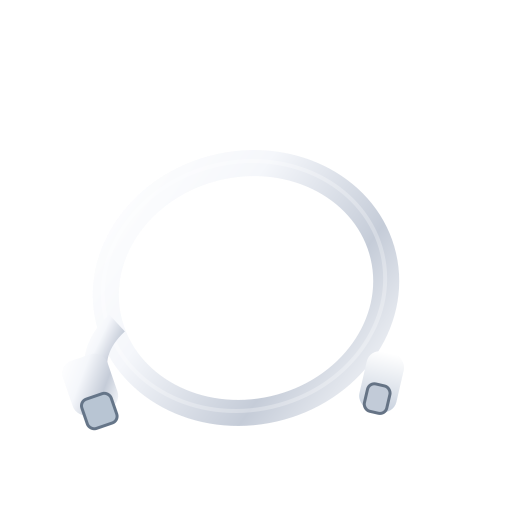 USB-C Charge Cable
 Documentation
Not in the box
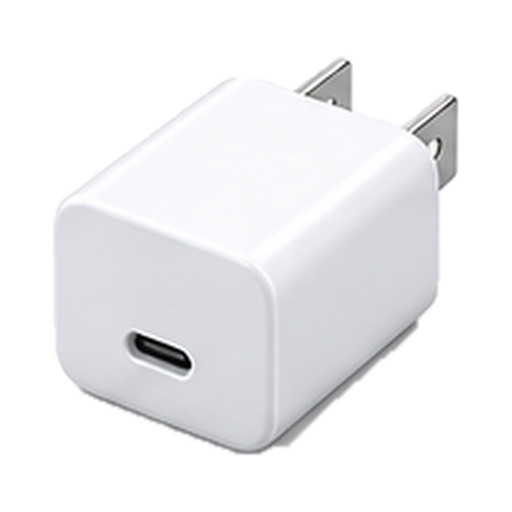 USB-C power adapter
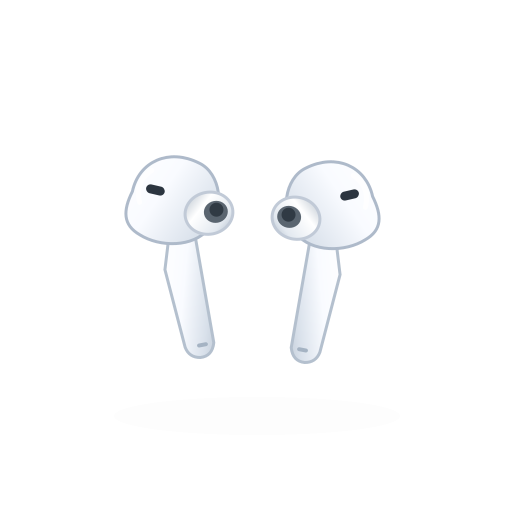 EarPods
Bottom line
Buy the iPhone Air if you want the thinnest, lightest iPhone and can live with one rear camera and a portable charger on long days. For most people the iPhone 17 is the better phone: it lasts longer, adds an ultra-wide camera and costs less. If you want a telephoto lens, get the iPhone 18 Pro.
Buy it if
Skip it if
- You want the lightest, thinnest iPhone for one-handed use.
- You mostly shoot with the main camera.
- You don't mind carrying a battery pack on long days.
- You need a full day of heavy use on one charge. Get the iPhone 17.
- You want an ultra-wide. Get the iPhone 17.
- You want a zoom lens. Get the iPhone 18 Pro.
- You need a physical SIM.