







Love it
Not so much
- Bright, sharp HDR10 picture
- No app or battery needed to watch
- Light at 76 grams
- Clear Bang & Olufsen tuned sound
- Smaller 46-degree screen
- Soft edges on the image
- Nose pads press on some faces
- Speakers don't get loud
- Consoles need an adapter or dock
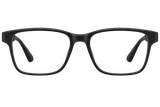
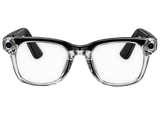
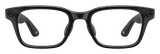
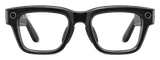
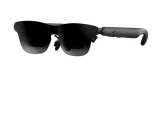
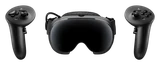
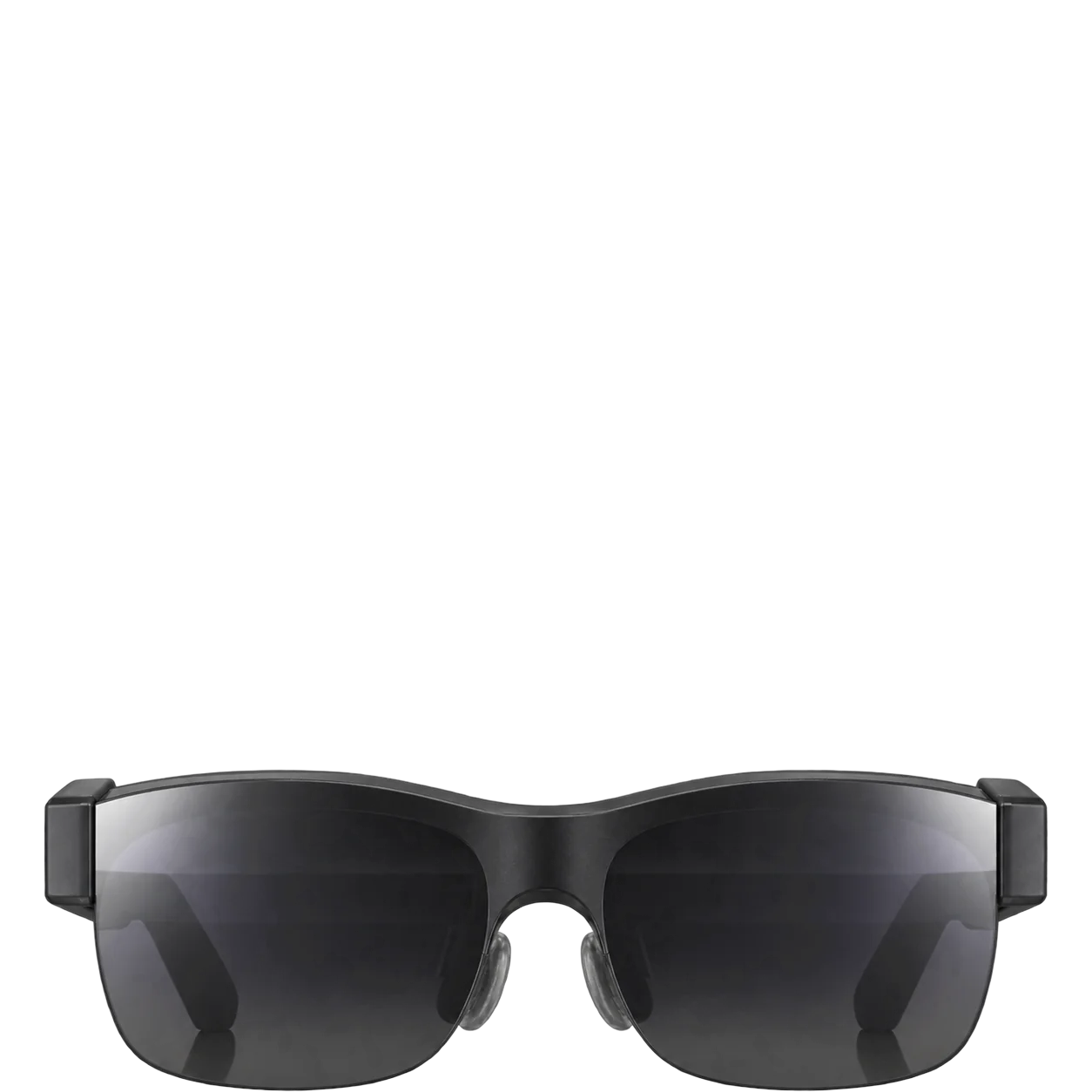
The Air 4 Pro turns a phone, laptop or handheld into a big, bright screen in front of your eyes. There's no battery to charge, no Wi-Fi to join and no app needed to watch. These glasses do one job, and they do it well.
The trade-off is size. The 46-degree field of view gives you a smaller virtual screen than wider glasses do. For a show on a flight, that's fine. If you want a screen that fills your vision, you'll notice the edges.
Picture
The Micro-OLED screen supports HDR10 and runs at up to 120Hz, and video looks bright, sharp and vibrant. A Vision 4000 chip converts regular video to HDR on the fly. The edges of the image are a little soft, so keep what matters in the middle. In daylight the background shows through the picture, so they're at their best indoors or on a plane.
The screen follows your head. There's no mode that pins it in place, so if you want it to stay put while you look around, that's the GT Max.
Comfort
At 76 grams, they're light enough for a full movie without feeling heavy. The cushioned pads take weight off your ears, but on some faces they still press on the bridge of the nose. RayNeo includes a spare nose pad and gives the pads three positions, so try each one before you decide they don't fit.
If you wear glasses, RayNeo sends buyers to Lensology for custom prescription inserts, and a sample insert frame comes in the box. RayNeo doesn't publish a prescription range for the Air 4 Pro, so check yours with the lens maker before you order.
Sound
The four speakers, tuned by Bang & Olufsen, sound clear. They don't get very loud, though. On a plane or in a coffee shop, bring earbuds.
What it plugs into
The glasses need a USB-C port that sends video out, and they draw their power from that device. That covers an iPhone 15 or later (but not the iPhone 16e, 17e or Air, which send no video over USB-C), a Mac or Windows PC with USB-C video, the Steam Deck and the ROG Ally. On Android, many phones can't send video over USB-C, so check RayNeo's list for your model. A Pixel 8 or 9 shows the picture but can't run the RayNeo XR app, which handles the 3D features. An older Lightning iPhone needs two adapters, one of them charged, so a USB-C iPhone is the far easier path. A PlayStation 5 or Xbox connects through an HDMI adapter, and a Switch through the RayNeo JoyDock.
How it compares
The RayNeo GT Max uses the same size panel at up to 120Hz, with a wider 59-degree view and head tracking that can pin the screen in place. That's worth paying for if you watch on the move. Otherwise, the Air 4 Pro does the same job for less. The INAIR 2 Pro is the one to look at if you want several virtual work screens from a laptop. The Viture Pro 2 is our pick head to head: it's lighter, has built-in dials for nearsighted eyes, and can pin the screen in place through Viture's SpaceWalker app. Choose the Air 4 Pro for HDR10 video and its Bang & Olufsen tuned speakers.
What's in the box

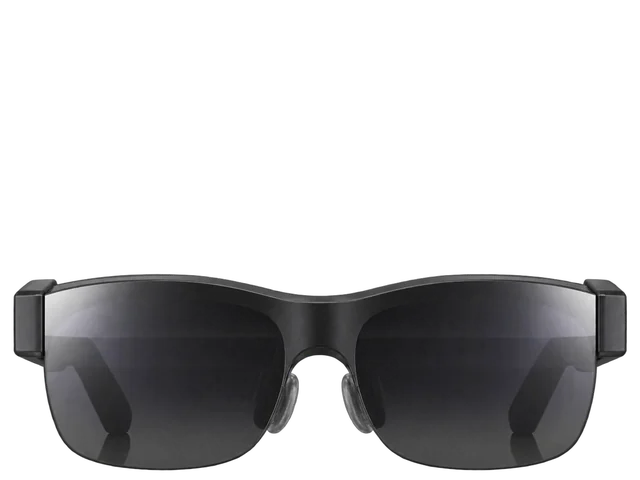 RayNeo Air 4 Pro glasses
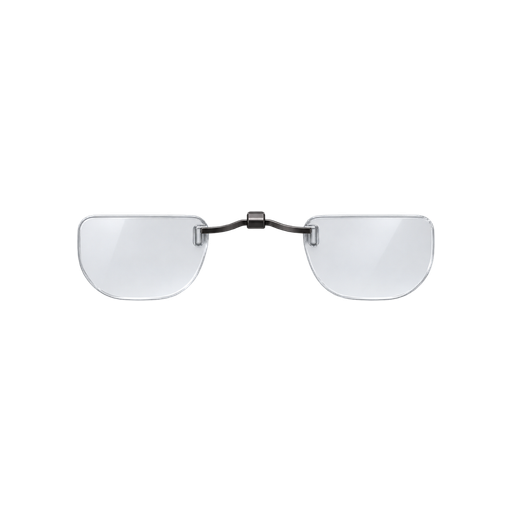 Prescription lens frame sample
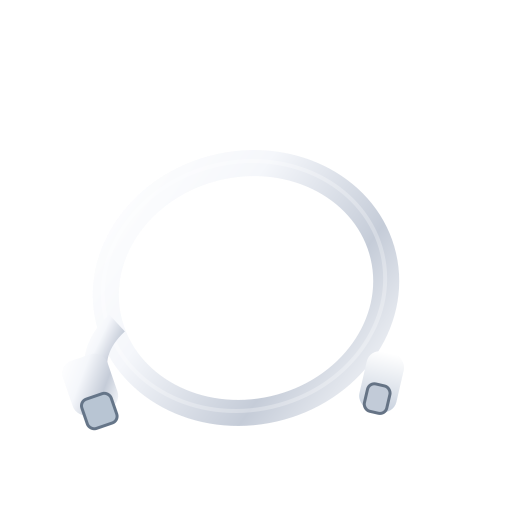 Data cable
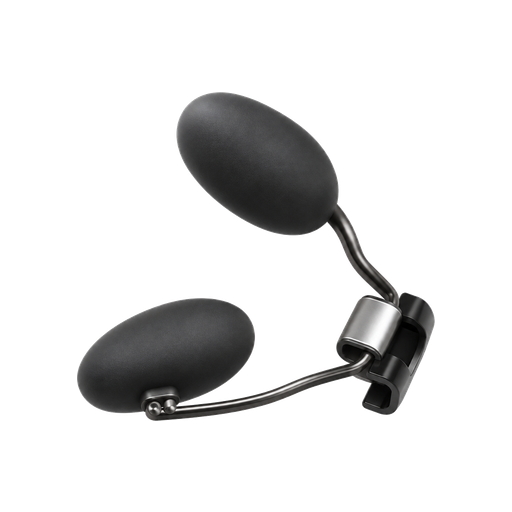 Nose pad component
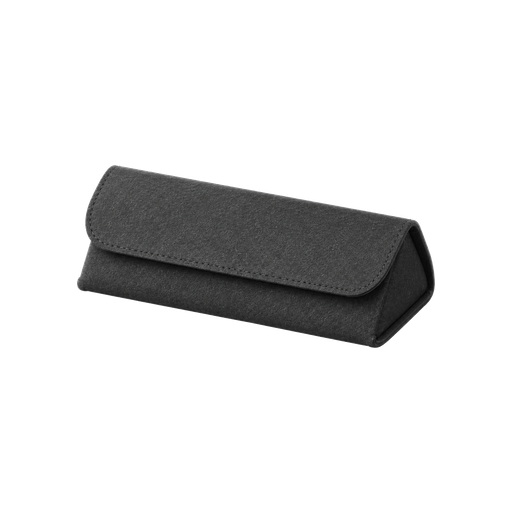 Carry case
 Glasses cleaning cloth
 User manual
Bottom line
The RayNeo Air 4 Pro is the display glasses to get if you want a bright private screen for movies and handheld games without paying for extras. It gets the nod over the RayNeo GT Max, which is worth the extra money only if you want a wider view and a screen that holds still while you move. It's our pick over the INAIR 2 Pro for films and travel, though the lighter Viture Pro 2, with nearsighted dials and a screen that can stay put, is the better pair head to head.
Buy it if
Skip it if
- You want a bright HDR movie screen and don't need it to hold still in space.
- You play on a Steam Deck or ROG Ally and want a bigger screen.
- You want 3D films, and flat video turned into 3D, on a supported phone.
- You want a screen that holds still in space. Look at the RayNeo GT Max.
- Nose pads usually bother you.
- Your phone can't send video over USB-C.