




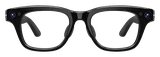
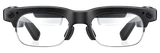
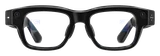
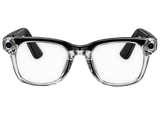
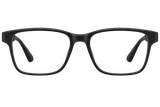
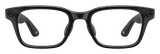
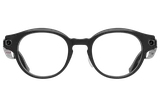

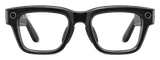
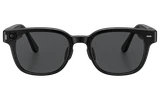


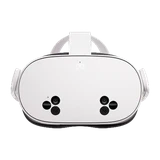
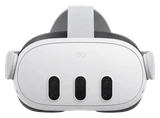
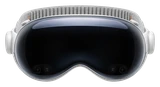
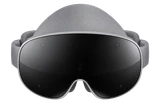
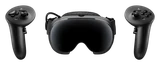
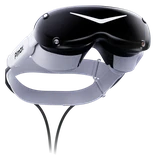
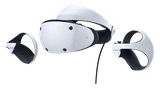



Basement, a New York nightclub, will now ask you to leave if you bring smart glasses inside. The policy covers the glasses whether you are wearing them or carrying them in a bag, and the club says a repeat visit could earn a permanent ban. Futurism reported the announcement, and Digital Trends set it against the restrictions already spreading through the UK. Basement is folding the glasses into a no-photo, no-video rule it already had.
That is a rule about the object rather than the act. Meta has built its answer to this around recording: there is a visible light when the camera is on, and the company added safeguards meant to disable the camera when that indicator is covered. A club that removes you for having the glasses in your bag is not asking whether the camera was running. No light can satisfy a policy written about possession.
Soho House applies its existing filming rules to them, and Wetherspoons does not allow customers to record other drinkers or staff without permission.
The UK is further along the same path. Courts across England and Wales take camera-equipped glasses at the entrance and hand them back when people leave. Restaurants run by Jeremy King, including Simpsons in the Strand, Arlington and The Park, ask customers not to wear recording glasses at all. Soho House applies its existing filming rules to them, and Wetherspoons does not allow customers to record other drinkers or staff without permission. Some cinemas are weighing restrictions of their own, on the reasoning that a pair of glasses is a quieter way to film a screen than a raised phone.
The discomfort is not confined to venues. An iPhone app called AntiZuck Smart Glasses Scanner reached number three on the US paid chart at $2.99. It watches for Bluetooth signals associated with smart glasses and warns you when it thinks a pair is nearby. It cannot tell you whether anyone is actually recording, which is the part worth sitting with: people are paying for the knowledge that the hardware is in the room, separately from any evidence it is being used. We wrote about that app when it first climbed the chart.
Every restriction here is about how other people feel, and none of them is a claim that a recording took place. The glasses work as designed. The light comes on. The objection is that a stranger cannot tell the difference from across a dark room, and the venues have decided that is their problem to solve rather than Meta's.
One club is one club, and Digital Trends says as much: it is early to call this a US trend. What is already true is that the UK went from a few restaurants to the court system in under a year, and the rules that arrived did not distinguish between a device that is recording and a device that is present.