




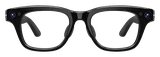
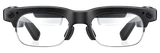
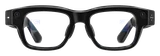
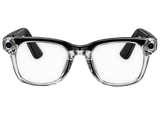
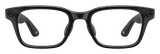
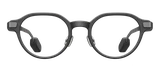
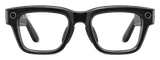
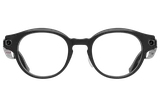
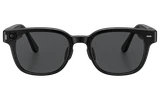


Cover the capture LED on a pair of Ray-Ban Meta glasses now and the camera stops. Alex Himel, Meta's vice president of AR, posted the change on Threads. "The camera won't start recording if the LED is blocked, but some people try to bypass this by starting a recording and then covering it up," he wrote. "A fix for this is starting to roll out."
That is the second software patch in under two months aimed at the same small diode. The one before it switched the cameras off when the glasses detected that the recording light had been physically damaged. Instructions for the covering trick had been circulating in online tutorials well before this week, which is how the gap became worth closing.
Each fix has arrived after the workaround was already public.
The camera won't start recording if the LED is blocked, but some people try to bypass this by starting a recording and then covering it up
"Only a tiny minority of people try to get around these protections, and the fact they have to go to these lengths shows our efforts are working," Himel wrote. The lengths are not especially long. Engadget has reported on a trade in cheap accessories that sit over the light and defeat it without the glasses registering anything, and those were on sale before this patch and are on sale after it.
Smart eyewear shipped four million units in a single quarter this year, and Meta took more than three quarters of the AI glasses inside that number while VR headset shipments fell 79 percent over the same stretch. A camera worn on a face in public is now, more often than not, a Meta one.
The LED is a small light on the frame, at eye level, on a person who may be across a room and facing away. A bystander has to see it, know what it means, and act inside the second or two a photo takes. Two patches have made that light harder to switch off and neither has changed any of the rest.
Instagram has banned accounts belonging to people who posted footage of strangers filmed through the glasses. ICE told its own staff this month to stop wearing them at work, in the same stretch it requested $7.5 million toward biometric eyewear of its own.
Himel said Meta will keep shipping updates so the capture LED can reliably alert bystanders when photos or videos are being taken for someone's gallery. Norway's digitalisation minister spent this week arguing that face recognition on smart glasses should be outlawed before a single pair ships with it.