


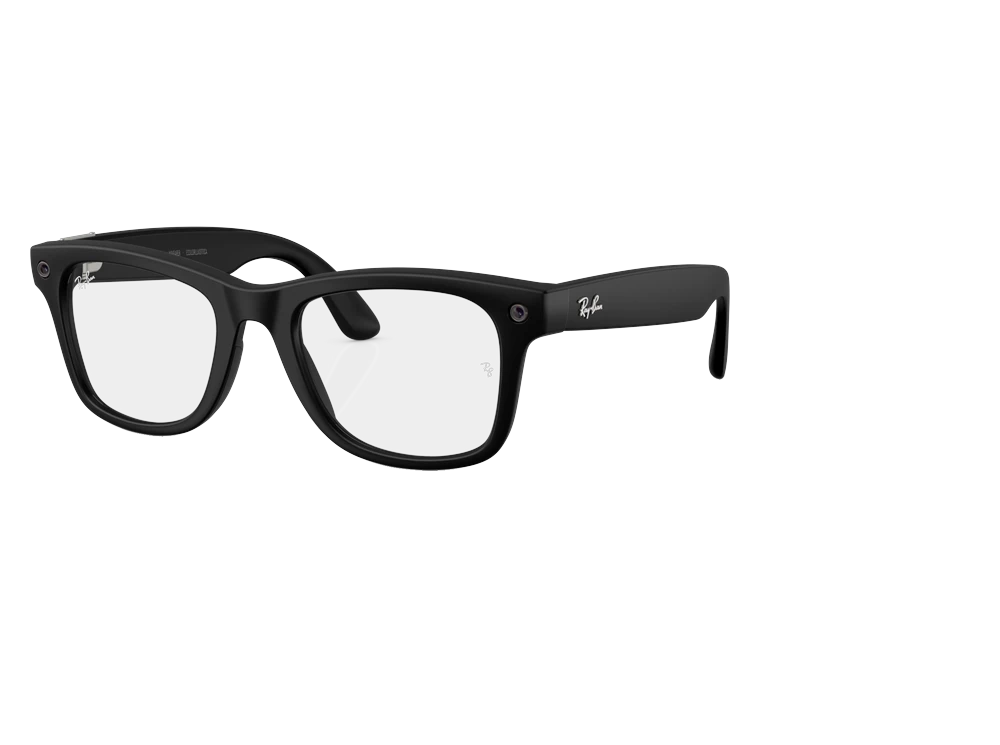
The Netherlands' privacy regulator is telling people to leave smart glasses on the shelf.
The Dutch Data Protection Authority gave two reasons, TechRadar reported on November 25. One is everybody near the wearer. A camera built into a pair of frames can film people on the street without them noticing, and the regulator counts that as a privacy risk for passers-by. The other reason is the wearer. The AI assistant in these glasses can give advice that's wrong or unsafe, and the authority's example is a medicine label read incorrectly.
It's advice to shoppers, and it stops short of a ban.
Most of the pushback this year has been about where you can wear camera glasses and who ends up in the footage. The Dutch authority is also telling buyers the product can hurt the person who paid for it. If you use the assistant in a pair of Ray-Ban Metas to read small print, check the label yourself before you take anything.
The same week, Australia's Macquarie Dictionary named "pervert glasses" its word of the year. The nickname won twice: the dictionary's committee of word experts picked it, and so did the people's choice vote.
The committee tied the choice to a year of fast-moving AI and to what it called widespread calls to hit the brakes. "Sure, these new gadgets might be marketed as smart glasses or camera glasses, but it seems to us that pervert glasses paints a more apt reflection of the year," it said.
Meta sells Ray-Ban and Oakley glasses as something you wear all day. That's a harder pitch when the people looking back at you have a name for them, and a national dictionary has just written it down.
Hans Anders, a large European glasses retailer, already stopped selling smart glasses in Belgium and the Netherlands over privacy concerns. Norway's government has moved toward a temporary ban on them in public places. The Dutch warning differs from both. It's aimed at every shopper in the country, whichever store they use and wherever they plan to wear the glasses.
Meta updated its glasses to make the privacy controls harder to get around, and it launched the Ray-Ban Meta Audio, a $349 pair with no camera at all. Neither has changed how the public talks about camera glasses. The dictionary's two votes are the measure of that.
Owners of a camera pair lose nothing today, because a regulator's advice and a dictionary entry don't switch anything off. Expect more people to object when you wear them, and in the Netherlands the privacy authority is now on their side. Buyers who want the speakers without the argument have the camera-free Audio. Meta's next deadline is November 26, when it owes US senators answers on the privacy and safety risks of its AI glasses.