



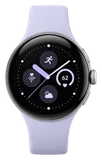
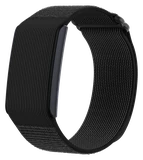

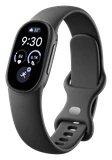
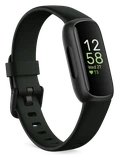
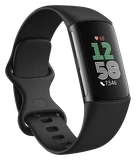
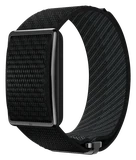


Huawei now makes its own continuous glucose monitor. The Sense G1, announced in China this month, is a round patch about the size of an AirTag that sits on the back of your upper arm for up to 14 days and sends readings to Huawei phones and watches.
A soft microneedle under the skin measures glucose in the fluid between your cells rather than in your blood. That reading runs 5 to 15 minutes behind a finger prick, which is true of every patch built this way. The sensor is water resistant enough to swim with. Huawei claims a MARD below 10%. MARD is the standard accuracy score for these monitors, and lower is better, so under 10% would put the patch level with established sensors if independent testing backs it up.
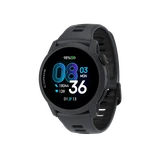
On the watch, you get live glucose graphs, alerts when your level goes out of range, and a way to share readings with a carer.
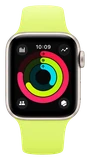
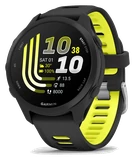
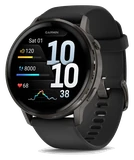
The appeal is that it's all one system. Apple Watch and Garmin owners who want glucose next to their heart rate and sleep have to link a Dexcom, Libre or Lingo app to get it. A Huawei watch owner wouldn't need anything else, according to the5krunner, which reported the launch alongside Huawei Central.
That matters to two groups. People managing diabetes get alerts on the device already on their wrist. Endurance athletes who already wear a monitor to plan fueling on long sessions would see glucose beside their training data.
Nobody outside China can buy one yet.
Huawei hasn't given a price, a launch date or any plan for other countries. Selling a glucose monitor in Europe needs medical certification first, and Huawei's blood pressure watches waited months for theirs. If you own a Huawei watch in the UK or Europe and want glucose data, keep using a Libre or Dexcom with its own app, because the Sense G1 isn't likely to reach you this year.