



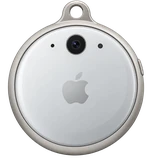
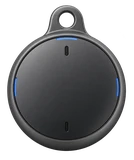
The Sence G1 is the company's first continuous glucose monitor, and it sends its readings to a Huawei phone, a Huawei smartwatch or a Huawei fitness band.
Huawei announced it in a Weibo post in China, as Android Authority reported. The sensor tracks glucose through the day and alerts the wearer to unusual spikes or dips. From the company's own image, it's about the size of a US quarter and is meant to sit on the upper arm.
It's also Huawei's first Class III medical device. That's the highest-risk class, the one that needs the most regulatory scrutiny. VCBeat reported that China's National Medical Products Administration approved the CGM on October 30.
Lower MARD means readings closer to a blood test.
Huawei didn't give a price. It didn't say when it goes on sale, or how long one sensor lasts before you swap it for a new one. For a CGM that last number matters as much as the price, because sensors are the part you keep buying.
Two performance figures have surfaced, though not from Huawei. Earlier leaks reported by the Chinese outlet IT Home put the lag time at 5 to 15 minutes and the MARD, the standard accuracy measure for these sensors, at under 10%. Lower MARD means readings closer to a blood test. Treat both as unconfirmed until Huawei publishes a spec sheet.
Bruce Lee, a Huawei vice president, wrote in a separate post that the product took a long time. He said the company first tried it in December 2023, and that teams had been wearing it for even longer than that. He called it one of the products Huawei has taken the longest to master.
Huawei already sells smartwatches that measure blood pressure. A glucose number on the same wrist puts two of the readings people with diabetes or high blood pressure track every day on one screen, from one company's devices.
The Sence G1 works with other Huawei products, and Huawei's phones barely sell outside China after years of US sanctions. That's why an iPhone owner, or most Android owners in the US and Europe, shouldn't expect to use one soon.
If you live in China and already wear a Huawei watch, wait for the price and the sensor life before you decide. Everyone else gets an early look at a watch acting as the screen for a medical sensor worn on the arm.