


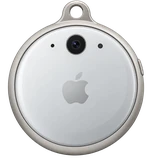
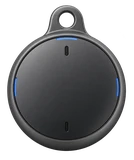
China's National Medical Products Administration has cleared the Huawei Sense G1, Huawei's first continuous glucose monitor, as a Class III medical device. That's the country's highest-risk tier for medical devices. The sensor is a small, round disc that sticks to the upper arm, and in Huawei's teaser poster it looks a lot like an AirTag.
A tiny needle sits just under the skin and reads glucose from the fluid around your cells. Inside, glucose oxidase and a set of electrodes turn that reading into a blood sugar number. There's no finger prick for each measurement and no calibration step. One sensor lasts up to 16 days before you swap it, and each one is meant for a single wearer.
The approval is Chinese, so China comes first.
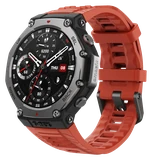
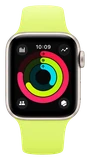
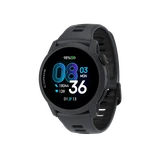
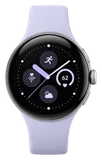
Readings show up on your phone or on your smartwatch, and the sensor alerts you when your levels drift out of the normal range, day or night.
Gizmochina reported that Huawei spent 35 months developing it. The same report puts its accuracy below 10% on mean absolute relative difference, the standard measure of how far a CGM's numbers land from lab reference readings. Lower is better there. A tipster also claims the readings trail your actual blood sugar by about 5 to 15 minutes, so a fast drop shows up a little late.
Huawei hasn't given a price, a release date or a list of countries. The approval is Chinese, so China comes first. If you need a CGM now and live anywhere else, buy one that's sold where you are, because nothing yet says when or whether the Sense G1 will follow.