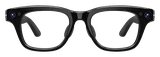
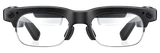
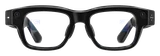
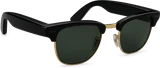
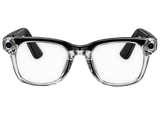
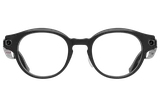
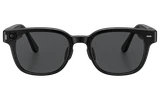
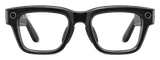
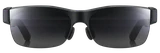
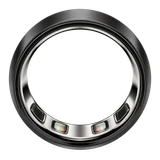
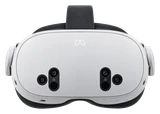
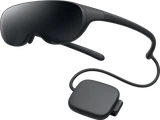
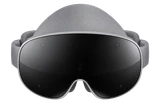
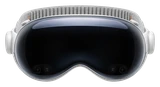
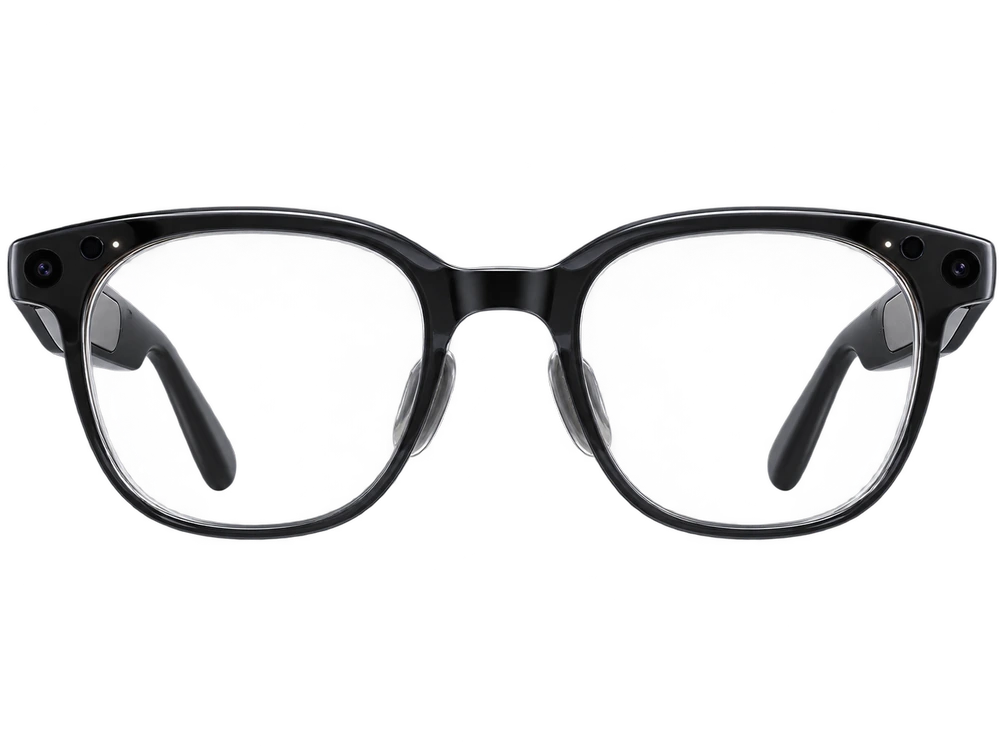
Samsung's battery widget has a new device category, and it is called Glasses.
Fahad Ali Javed found it in an internal One UI 9.5 build running on a Galaxy S26, and SammyGuru published the discovery. The widget's list of devices to show now offers Glasses alongside Phone, Galaxy Watch, Galaxy Fit, Galaxy Ring and Galaxy Buds. It has its own icon.
That is a small thing to find in a build and a large thing to find in this build. Samsung unveiled Galaxy Glasses on 22 July with a Fall 2026 window, and everything about the product so far has pointed at the phone doing the heavy lifting. There is no screen. The cameras see, the handset thinks, and the glasses are the sensor package on your face.
Battery is where that arrangement gets tested. Samsung has said the glasses run for about nine hours, which is a full working day if nothing goes wrong and an anxious afternoon if it does. A wearable you cannot check the charge on is a wearable you stop trusting. Putting Glasses into the same widget that already reports the Watch, the Ring and the Buds means an owner can see the number without opening anything.
A device category in a settings menu is not a launch date. It proves the software is being prepared, and nothing more than that. Samsung has added scaffolding for products before they arrived and, occasionally, for products that never did.
What makes this one harder to dismiss is that the hardware is already announced. The glasses were on a stage in July. The category showed up in an internal build in August. Those two facts sit next to each other without needing any interpretation.
The same build carries a rename that will confuse people for a week. App Mirroring, the feature that puts your phone's apps and notifications on a laptop screen over Wi-Fi and Bluetooth, is now called App Cast. The behaviour looks unchanged.
There is a third change in the build with nothing to do with wearables and a lot to do with what you can install on one. One UI 9.5 picks up Android 17's setting for apps from unverified developers, and Google's warning language comes with it. Sideloading gets stricter. For a glasses platform where the interesting software will arrive from small developers first, that is worth watching, though nothing in this build says the rule reaches the glasses themselves.
None of this changes what Galaxy Glasses are. It changes how close they look. Samsung announced a product in July, said fall, and is now filling in the plumbing a paired device needs before anyone can wear one out of the shop.