
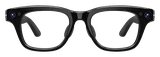
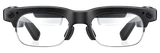
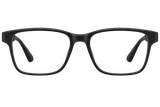
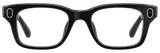
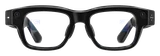
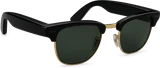
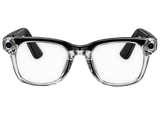
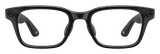
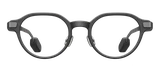
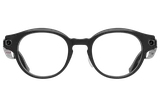
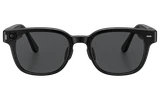
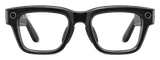
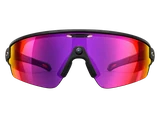
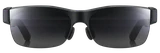
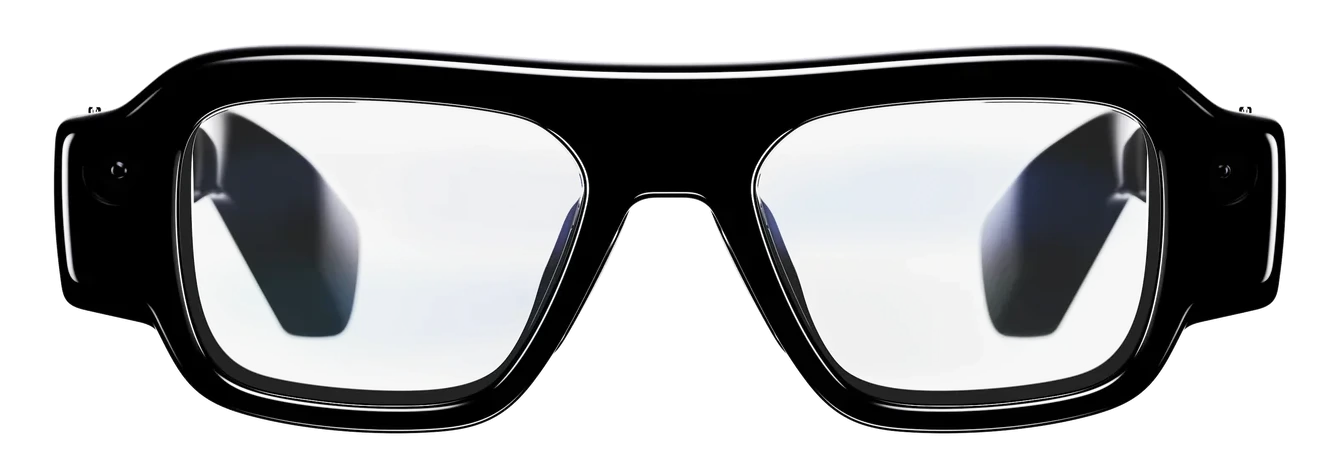
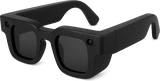
Chief executive Evan Spiegel says the companies building smart glasses to pass as ordinary frames have made a mistake, and that the result "really just ends up being kind of creepy." He told Tom's Guide, in an exclusive interview, that Snap built Specs to be seen coming.
His objection is about the person standing across from you. "People feel like, 'oh, are you spying on me? Why are you wearing those spy glasses that are disguised as regular glasses?'" Spiegel said. Specs answer that by refusing to blend in. Iridescent lenses, thick frames, a shape nobody confuses with a pair of Wayfarers. "So with Specs, you can really see them coming," he said. "They've got iridescent lenses, a very distinct style, and hopefully that invites some real conversation."
"Someone might think, 'Oh, are you recording me?' and it's like, 'No, I'm watching a video on YouTube,'" Spiegel said, and the surprise running that way is the point. Hardware you can spot from across a room turns a stranger's suspicion into a question, and a question has an answer.
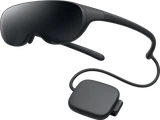
Specs carry the whole computer inside the frame, with no pocket puck holding the battery and the processing, and Spiegel said that was deliberate. "People don't want to lug around another puck or something like that just to use Specs," he said. Two Snapdragon chips sit in the frame with vapor chambers drawing off the heat, which is the part that decides whether a pair of glasses is still comfortable twenty minutes in.
Spiegel said the last developer version came in around 200 grams and was simply too heavy to wear for this kind of thing. The pair Snap is selling now is about 130 grams. Seventy grams is the difference between a gadget you try on at a demo table and a pair you keep on your face for an afternoon.
Tom's Guide writer Jason England wore them and reported that one colleague told him he looked like the front of a pickup truck. He also came away thinking the visibility is the point, because a person who can see what you are wearing asks what it does instead of assuming the worst.
Specs cost $2,195, which puts them in front of people who buy a new category on purpose rather than people replacing their sunglasses. Snap has answered the comfort question and it has answered the etiquette question on its own terms. It still has to persuade someone to walk out of the house wearing a two thousand dollar computer on their face.