
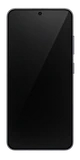


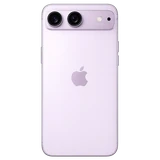
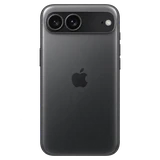
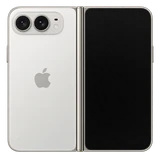

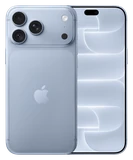









































Both iPhone 18 Pro models have a variable aperture main camera, which the rumors had put on the Pro Max alone. Apple built it from six laser-cut blades, each thinner than a human hair, in a polymer composite chosen for the balance of mass, flexibility and durability. The aperture adjusts on its own with the scene, opening to let in around 50 percent more light in a dark room. It sits behind a 48-megapixel fusion main camera, and it also lets you pull cinematic mode effects out of ordinary video after the shot, now at 60 frames per second for a half-speed cut.
The A20 Pro driving all of this is the first smartphone chip built on a 2nm process. Six CPU cores, two of them supercores Apple says are up to 20 percent faster, four efficiency cores, a redesigned seven-core GPU up to 40 percent faster, a 50 percent increase in memory bandwidth, and a second Neural Engine that takes the total to 32 cores at twice the compute. For thermals Apple borrowed packaging from its M-series chips, setting the silicon die beside the memory so the memory leaves the chip’s thermal path and the silicon connects straight to the vapor chamber. That is three times the cooling performance of last year’s model, and Apple puts sustained performance 40 percent above the A19 Pro in the iPhone 17 Pro. The rest of the phone is where the iPhone 17 Pro left it: the same design, a smaller Dynamic Island cutout, four finishes with burgundy the new one, and what Apple calls the longest battery life ever in an iPhone.