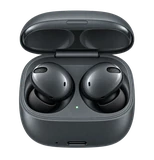
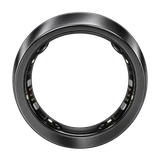
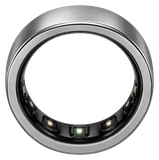
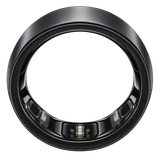
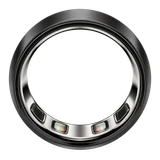
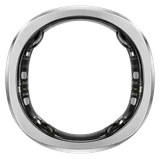
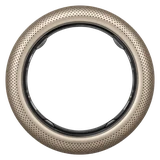

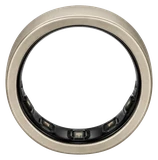
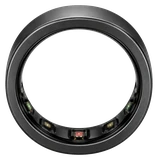
RingConn's Gen 3 has a vibration motor inside it. The Gen 2 and the Gen 2 Air do not. That one part is the difference between the newest ring and the two the company already sells.
Smart rings have mostly been collection devices. They gather all night and hand the result to a phone in the morning, and the ring itself never says anything back. A motor changes which direction the information runs.
Digital Trends reported at launch that the motor fires on an elevated heart rate, a completed step goal, a long stretch of sitting or a low battery. Haptic feedback is the term for it, and it means a device gets your attention by vibrating against your skin rather than by lighting up a screen you then have to go and find.
Every one of those is something the ring itself did. None of them arrives from your phone, so this is not a second way to feel a text land.
According to RingConn, an August app update gave the motor more moments: the ring now buzzes when you start a workout by hand, and again when a heart rate, blood oxygen or blood pressure reading finishes.
Gadgets & Wearables found the buzz subtle and short in a hands-on test. On a finger that counts for more than it would on a wrist, because a ring has no screen at all and skin is the only channel it has.
The Gadgeteer's June review found two things new to this generation, the vibration motor and blood pressure trend tracking.