





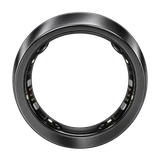
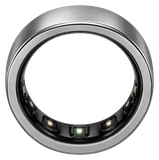
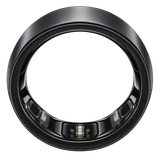
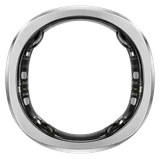
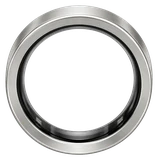
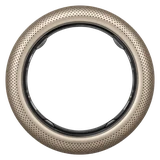
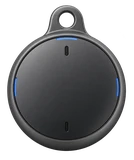

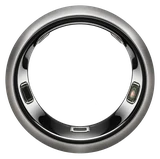
An Oura ring has never measured a sleep stage. It reads heart rate, blood oxygen and breathing through a photoplethysmogram built from red and green LEDs, and it adds skin temperature and movement from an accelerometer. From those signals it produces an estimate of how much of the night you spent in each stage. A proposed class action filed in a California district court, first reported by TechCrunch, argues that the estimate cannot carry the accuracy Oura advertises.
The number in dispute sits on Oura's own marketing for the Ring 5, which promises "95% Sleep Staging Accuracy compared to [a] clinical sleep lab." A clinical sleep lab runs polysomnography. That means electrodes reading electrical activity in the brain, sensors tracking eye movement, and separate channels for the electrical activity of the heart and for muscle activity. A ring on a finger reads none of them. The plaintiffs call what fills the gap "guesswork as to what may be happening, based on improper inputs."
Their objection is to the mechanism rather than to the arithmetic. Sleep medicine defines the stages by what the brain and the eyes are doing, and a ring cannot see either. It works instead from secondary markers, the things that happen to move in step with sleep: heart rate, breathing, temperature and how still you are.
The suit accepts that Oura concedes the difference in its technical materials, and argues that almost no customer reads them.
The estimate itself is not in question. Oura takes the signals it can read and produces a figure for sleep quality and for time in each stage, and that is what the app has always shown. The plaintiffs want a California court to decide whether a figure reached that way can be advertised as agreement with a laboratory.
They are asking for an injunction against the advertising, money for customers they say were misled, and class status so that others who bought on the same promise can join. The filing names celebrity endorsements and influencer marketing as part of how the message travelled. Oura had not commented by the time the story ran.
Oura shares the wider position with plenty of other wearable makers: accuracy that published studies can support, and no standing with regulators to diagnose anything. Multiple generations of the ring carry the same promise in their advertising, and the complaint reaches all of them, not only the newest.