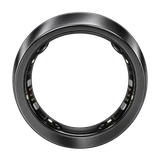
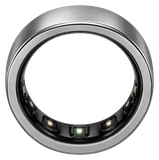
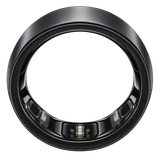
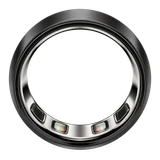
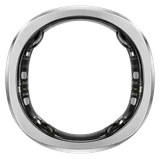
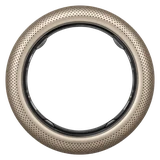


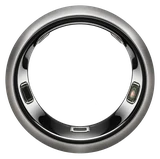
Oura finally put a price on itself. The ring maker and some of its backers want to raise as much as $2.2 billion in its US stock market debut, Bloomberg reported Monday, citing the company's filing with the Securities and Exchange Commission.
The plan is to market 50 million shares at $40 to $44 each. Only 13.5 million of those are new shares sold by Oura. The other 36.5 million come from existing shareholders selling part of their stake.
That split is the detail worth reading twice. Most of the money raised will not go to Oura at all. It goes to people who already own the company. That matches what Bloomberg's sources said in August, when they said existing investors expected to sell a significant amount of stock. We covered that plan at the time.
It also answers the question our last piece left open. Oura's prospectus laid out 5 million paying members, 94% of ring buyers taking the subscription, and $60.8 million in net income for the nine months ending June 30. What it didn't give was a size for the offering. Now it has one.
The size is smaller than the early talk. In August the target was as much as $3 billion. The range in the new filing tops out at $2.2 billion. Nothing reported so far says what valuation the range implies, and we won't guess at one.
For someone wearing an Oura Ring, a share price changes nothing about the ring on their finger tomorrow. What changes is who Oura answers to. A public company reports its members, its revenue and its risks on a schedule, and every rival reads the same pages. Samsung, Ultrahuman, RingConn and Circular all sell against Oura, and none of them has asked public investors to price the smart ring before.
It also puts Oura's health claims in front of a stricter audience. The company has already said it expects future features to be regulated as medical devices, and it is fighting a proposed class action over its sleep tracking. Stock buyers will be reading about both.
So far one outlet has reported the range, and the numbers come from a filing rather than a finished sale. Price ranges and share counts often move before a listing. The real number arrives when the shares start trading.
Apple still has no ring of its own, and that remains the biggest open question for anyone pricing this category, Oura's new shareholders included.