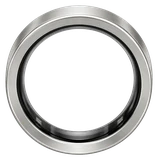
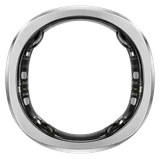
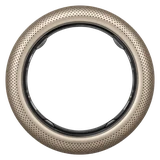
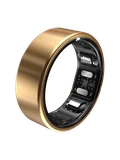


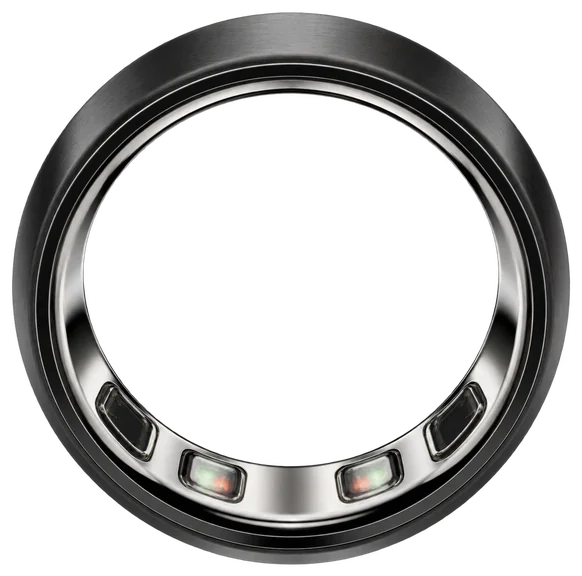
Oura is seeking as much as $3 billion in a US initial public offering, according to Bloomberg.
The listing could happen as soon as September and would value the Finnish company at more than $16 billion, people familiar with the matter told Bailey Lipschultz and Mark Gurman. Existing investors are expected to sell a significant amount of stock in the offering, which is the detail that tells you who this is really for.
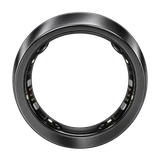
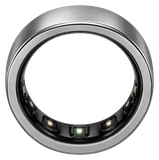
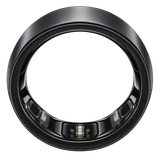
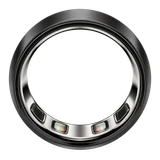
Sixteen billion dollars is a lot of money for a titanium band you wear on one finger. It is also the clearest sign yet that the smart ring stopped being a curiosity. Oura Ring 5 arrived in May. Samsung, Ultrahuman, RingConn and Circular all sell against it. None of them has asked a public market to price the category before.
What a listing changes for the person actually wearing one is disclosure. A private company answers to its investors about how many rings it sells, how many owners keep paying after the first year, and how much of the revenue is hardware rather than the recurring part. A public one publishes those numbers on a schedule, and so does every competitor watching them.
The timing is the interesting part. Oura is heading for the public markets in the same season it is defending a proposed class action over its 95 percent sleep accuracy claim, and a few months after its patent fight with Zepp ended in a settlement where neither side won a ruling. We have written about both. We have also measured the ring against a Fitbit Air over the same walk and watched the two devices disagree by 133 calories.
None of that is a reason to doubt the valuation. Accuracy suits follow scale, and scale is exactly what a $16 billion price tag is claiming. It does mean the company is about to have a legal obligation to describe its own health claims in a document that regulators read, which is a stricter audience than a product page.
Oura has been pushing further into numbers that sound medical. It has filed patent work on reading blood pressure and arterial stiffness from the finger, and on a ring that can alert you without vibrating. Both are the kind of feature that makes a ring worth more per user, and both sit close to the line where a consumer wearable becomes a regulated device.
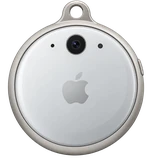
Nothing here is settled. Bloomberg's sources describe a target and a window, not a filing anyone can read, and IPO plans slip constantly. Apple still has no ring, and the biggest open question in the category is what happens to Oura's price the day Cupertino decides it wants one.
For now, the useful fact is the one on the tin. A company that sells a single product, worn on a single finger, is asking for a valuation larger than most of the watch brands it competes with.