








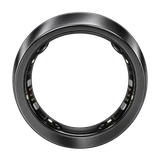
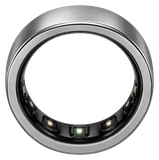
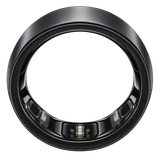
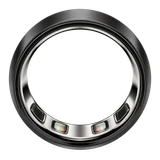
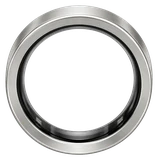
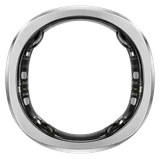
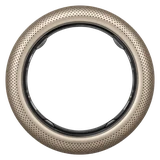

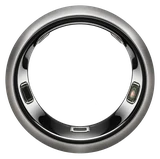
Oura has never put a vibration motor in a ring. A patent application published on August 13 and spotted by Gadgets and Wearables describes what the company wants instead, which is several electrodes set around the inside of the band and circuitry that runs a controlled electrical current between two of them and through your finger. Oura is careful in the filing that this is not a shock. Frequency, duration and current are all adjustable, and the reason for adjusting them is to produce more than one sensation from the same hardware.
Where the sensation lands is the stranger part. Depending on which pair of electrodes is used, the current can cross a nerve in the finger, so the feeling can arrive further down the finger or at the fingertip rather than under the band. Oura also describes biomimetic patterns, meaning pulses shaped to feel like pressure or touch rather than like electricity. The ring would run test patterns, ask the wearer what they felt, and tune itself from the answers. It would also work out which finger it is sitting on and pick the electrode pair most likely to work on that one.
The international search report on the application already cites earlier work relevant to several of its claims.
The reason any of this is being drawn up is on sale now. RingConn's Gen 3 ships with vibration alerts and the Oura Ring 5 does not, and a motor is exactly the kind of part Oura has spent four generations leaving out. A current needs no moving mass. Oura names health and wellbeing notifications, battery information and device settings as the sort of thing a ring could pass along this way, with different pulse patterns standing for different alerts, which would make a ring a two-way device rather than something that collects data quietly and hands it to a phone.
Oura filed this in February 2025. It became public on August 13, and the ring you can buy today still has nothing to tap you with.