










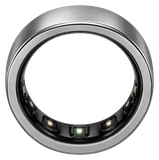
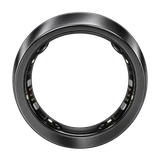
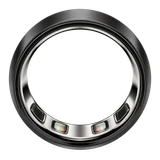
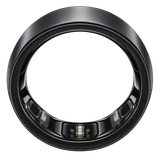
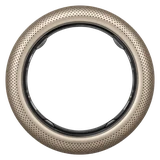
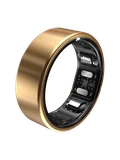





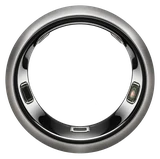
Oura no longer asks you to do a six-minute walking test to get a VO2 max number. The ring now works it out from your regular GPS walks, runs and hikes, Athletech News reports, and the first estimate shows up after five of them.
The feature used to be called Cardio Capacity. It now sits in Oura Labs, the part of the app where Oura puts features it's still testing, and it works on the Gen3 ring and every ring since. The number lands in the Heart Hub under My Health, in ml/kg/min, with a rating of Low, Fair, High or Peak and a chart of how it moves over time. Got a result from a lab test or another device? You can save it too. Oura keeps it separate, and it won't change the ring's own estimate.
The second new feature, Cardio Effort, puts a number on how hard your heart worked during a workout. It weighs how intense a session was against how long it lasted, using a long-standing exercise science formula called Training Impulse, or TRIMP. A 15-minute sprint session and an hour of easy walking can come out about the same.
Each workout adds to a weekly total that starts from zero at the beginning of the week. Oura then sorts your week into one of five bands, set against your own last six weeks: Light, Fair, Maintaining, Building or Reaching.
Land in Reaching and the app suggests a rest day rather than another hard session.
Strength training, yoga, Pilates and cycling all count, but only for what they do to your heart rate. A heavy lifting session can feel brutal and still score low. Gripping a bar or handlebars can also leave gaps in the ring's heart rate reading. When that happens, Oura fills in an estimate and labels it Est. Cardio Effort. Forget the ring entirely and you can log the workout by hand and get an estimate the same way.
Your personal bands take two weeks of wear to appear. After that you can look back over one, three or six months.
Cardio Effort also works on Gen3 rings and newer. That includes the Oura Ring 5, which arrived in May with live workout stats, better automatic workout detection and a smaller design.
Both features push Oura toward the training numbers runners have long gone to Garmin or Apple for. The ring's edge is that people keep it on all day and all night, while plenty of watch owners wear theirs for a few hours. Garmin's fitness business grew 42% in the first quarter of 2026.
Owners of a Gen3 ring or newer get both features without buying anything. The VO2 max number just needs Oura Labs switched on and five GPS walks, runs or hikes first.