
















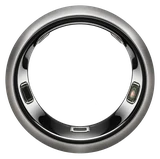
Five million people pay for an Oura membership.
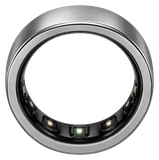
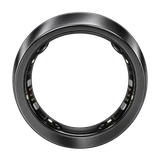
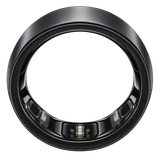
That's the number at the front of the prospectus Oura filed ahead of its planned stock listing, the document a company must publish before it sells shares to the public. MedTech Dive went through the filing. As of June 30, the Finnish ring maker had 5 million paid members and had sold 3.1 million rings in the current fiscal year. According to Oura, 94% of people who buy a ring go on to pay for the membership, which costs $5.99 a month. Memberships bring in roughly a fifth of revenue. The rest is the rings, priced from $349 to $499.
When we covered the listing plan in August, the point was that a public company has to say how many rings it sells and how many owners keep paying. Now it has said both.
It's also newly profitable. Oura reported $60.8 million in net income for the nine months ending June 30, against $1.6 million over the same months a year earlier, and the filing says the profit is recent. A large share of sales runs through a few retailers, among them Amazon, Best Buy and Target. Oura sells to organizations too, including the US Department of Defense. It doesn't make the rings itself: contract manufacturers assemble them from parts bought from other suppliers.
The pages that matter most to someone wearing one are about health. Everything Oura offers today falls under the Food and Drug Administration's wellness exemption, the rule that lets a device give general health insights without being cleared as a medical product. Oura doesn't expect that to hold. "As we continue to develop and expand the features and capabilities of the Oura Ring and Oura App, we expect that additional features and functionalities that we may introduce will be subject to regulation by the FDA and comparable regulatory authorities as medical devices," the company wrote.
Blood pressure is where that line gets drawn first. More than 350,000 people had joined Oura's blood pressure study by June 30. The study tests an algorithm meant to surface hidden high blood pressure, which would be a regulated feature. It's separate from the nighttime blood pressure trends Oura plans to offer under the wellness rules, a split we've looked at before.
The filing also names the risk hanging over Oura's sleep tracking. A proposed class action filed last month in the Northern District of California says its sleep stage readings are no better than "a coin flip." Oura's prospectus says it may face "additional claims, lawsuits, or regulatory inquiries of a similar nature in the future, including as a result of publicity relating to this action."
What the filing still doesn't give is a size for the offering. The Wall Street Journal reported last month that Oura could be valued at well over $11 billion. Bloomberg's figure in August was more than $16 billion.