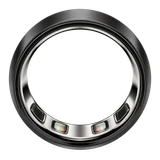
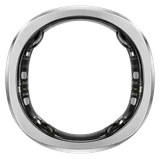

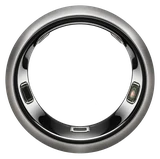
Oura has a patent application on telling you a migraine is coming before your head starts hurting.
The document is US 2026/0248448 A1, published on August 27 under the title "Techniques for migraine detection using a wearable device". It is a continuation, which means it extends an application Oura already had on file rather than opening a new line of work. Gadgets & Wearables read the published version first.
The method in it is not exotic, and that is the interesting part. Oura builds a picture of what is normal for one person, then watches for the specific drifts that showed up before that person's previous migraines. Sleep carries most of the weight: total time asleep, time in REM, the stage where most dreaming happens, and the other stages, all compared against the wearer's own recent baseline. A machine learning model looks for a shortened night or a dip in REM. Body temperature sits alongside it, and the application charts sleep and temperature across the fortnight either side of an attack to show the shape it is hunting for. Heart rate, heart rate variability, which is the tiny difference in timing between one beat and the next, and movement all feed in too.
No new sensor appears anywhere in it.
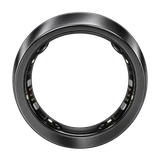
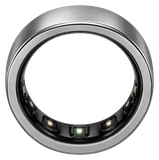
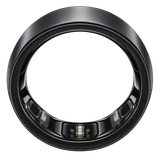
Every input listed is something an Oura ring already measures on your finger tonight, which is a different proposition from a patent that needs hardware nobody has built. Health Radar, the feature Oura already ships, does a broad version of the same trick by flagging when several background signals move at once. This narrows that to one outcome.
What Oura describes producing is a "migraine prediction metric", a number for how likely an attack is in a coming window, with an estimate of when the window opens. The application includes mock-ups of what a wearer would actually see. One notification says the data points toward a migraine on Thursday and suggests taking your usual medication before bed. Another says sleep has been falling for several days and asks whether symptoms have started, which is how the model gets told it was right or wrong. Log enough of your own attacks and it stops guessing from population averages and starts learning your pattern.
RingConn already sells something adjacent. Its Headache Signs tool reads biometrics against local barometric pressure and flags an episode while it is developing. The Oura application is aimed further upstream, at the hours before anything hurts, which is the only point where taking a tablet changes the day.
None of this is a product. A patent application is a description of a capability a company wants to own, not a commitment to ship it, and Oura has said nothing about putting migraine prediction in the app. The company has spent recent filings on squeezing more out of the sensors it already has, including one on detecting a badly fitting ring, on the grounds that a loose ring makes every other measurement worse. Predicting a neurological event from sleep and skin temperature is a considerably larger ask than noticing a gap between the ring and your finger.