


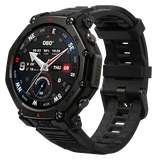
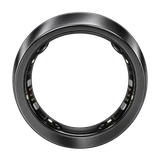
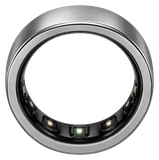
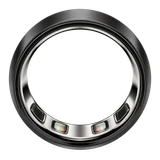
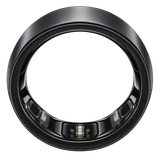
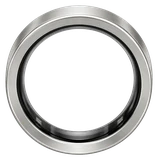
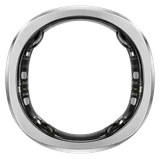
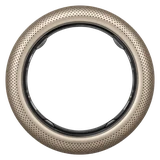
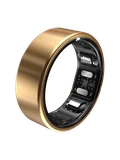
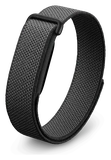
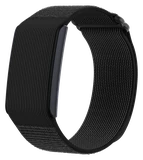
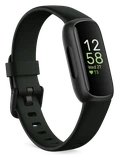
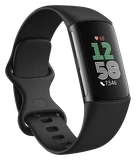



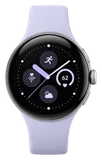
Oura is facing a class action over how accurately its ring reads sleep. The complaint says the company has advertised "95% accuracy" while calling the Ring 5 the "gold standard in wearable sleep tracking," and it argues that no finger sensor can deliver either, because "sleep happens in the brain, not on one's finger." It describes what the ring produces as guess work run through AI models, with a coin flip's chance of landing on the right sleep stage, and calls the practice deceptive. Oura says the suit is baseless and stands behind its tracking.
The ring reads heart rate, heart rate variability, respiratory rate, body temperature and movement, feeds them into an algorithm trained on a large set of sleep data, and Oura puts the result at 79% agreement with polysomnography, the overnight clinical study that is the actual reference. That leaves 21% disagreement, and it lands on sleep staging, the light, REM and deep split the app reports minute by minute. Dr. Shireen Emad, an expert at Watches2U, told Tom's Guide: "The healthiest approach is to view sleep trackers as helpful guides rather than report cards."