




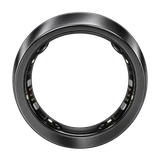
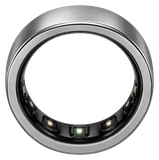
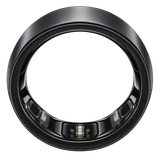
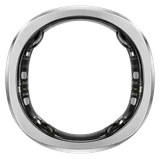
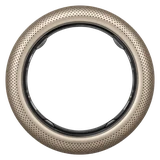
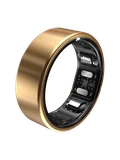


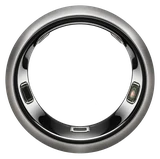
Oura replaced Ring 4 rings whose batteries failed after the one-year warranty had already run out. The company sells a one-year limited warranty, longer where local law requires it, and its own paperwork now says some replacements went out past that line.
Gadgets & Wearables reported the figure from the filing Oura submitted to the US Securities and Exchange Commission ahead of the stock market debut where it is asking for $16 billion. Certain Ring 4 production cohorts, meaning particular batches built at particular times, had battery performance problems. Replacing those rings free of charge helped drive an $84.4 million increase in warranty expense during fiscal 2025.
The filing doesn't name the affected batches. It gives no sizes and no count of how many rings went back. An owner watching a Ring 4 lose charge faster than it used to has no way to find out whether the device came from one of the bad cohorts.
Battery complaints aren't new ground for Oura. Owners of earlier generations reported drain problems long before this document existed. Customers describing a fault are one thing. A company writing a dollar figure next to the same behaviour, in a prospectus, under rules that punish getting it wrong, is another.
Oura sold 3.1 million rings in the nine months to June 30.
Revenue across those same nine months reached $1.21 billion, up 74 percent on the year before. Net income climbed from $1.6 million to $60.8 million. Paid membership doubled to five million people, and membership revenue rose 121 percent to $240.5 million at an 89 percent gross margin. Hardware still supplies 80 percent of the money coming in, so a manufacturing fault reaches the accounts even when the subscription side is healthy.
The company ties the warranty increase to earlier design, manufacturing and supplier factors, and says testing and quality-control work has expanded since. The filing also warns that current or future generations could run into other quality issues, which is the standard risk language every prospectus carries. The Ring 5 arrived in June with redesigned hardware.
That figure arrives a few weeks after a proposed class action went after the 95 percent sleep accuracy number Oura markets. The two are unrelated in substance. They land in the same quarter, in front of the same investors, for a company that has spent the year telling people its ring is precise enough to spot a migraine coming.
Owners whose Ring 4 battery has faded have a reason to contact support even after the first year has passed. Oura has not promised everyone the same answer, and the filing does not say how many people already got one.