





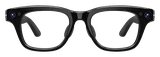
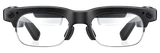
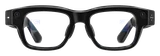
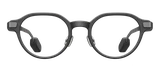
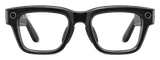
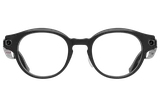
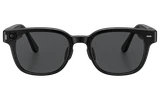
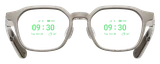
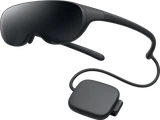

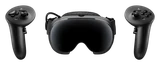
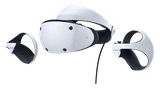
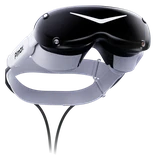



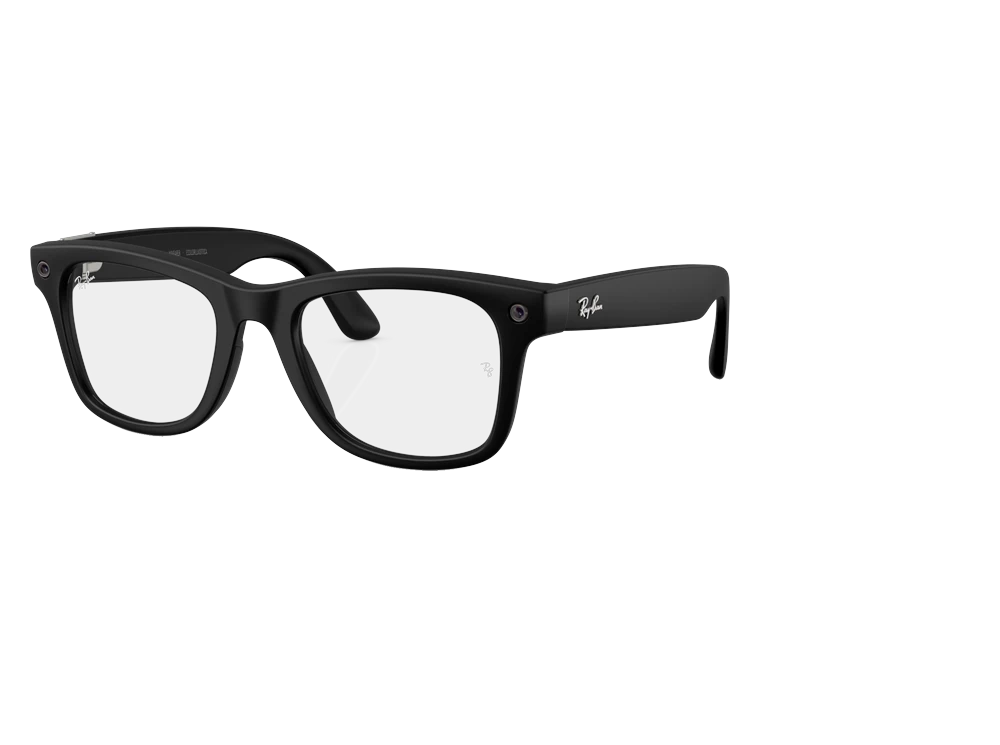
A free phone app called ZuckOff tells you when someone nearby is wearing smart glasses. It can't tell you whether they are filming. It can tell you the glasses are in the room.
WIRED reported on the app on September 15, in a story that first ran in its Middle East edition.
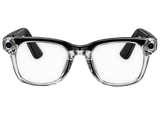
Pawel Szydlowski, a 30-year-old developer in Poland, built it. He bought the glasses himself and recorded the Bluetooth broadcasts each model sends, which gave him a fingerprint for every pair. When the app hears a unique identifier that matches a known manufacturer identifier, it raises a flag. Ray-Ban Meta, Oakley Meta and Snap Spectacles are among the models it catches.
The app launched in August. It has passed 5,000 downloads on Apple's App Store, per WIRED, and it had 1,000 on Google Play when the story was written. The basic scan is free. A $25 Pro version adds a history log, CSV export, a home screen widget and background monitoring that keeps scanning and sends alerts with the screen off.
The app would be hard for Meta to take down legally, because it only listens to what the glasses already broadcast and interferes with nothing.
What it can and can't see
ZuckOff reads signal strength, so the most it offers is a rough sense of distance. It does not know if the camera is on. It does not know who is wearing the glasses. It turns an invisible problem into a partially visible one.
That is a modest promise, and it is the right size for the tool. A Bluetooth scan answers one question: is there a pair of these glasses near me? It answers nothing else, and it doesn't pretend to.
Why anyone needs a detector
The recording light was supposed to be the answer. The lights on these glasses have proven fairly easy to defeat with simple hardware hacks. In July, Meta said it would push an update that detects an LED that has been physically tampered with or destroyed and stops the camera from filming. Meta CTO Andrew Bosworth said in an Instagram video that the camera was designed to be noticed by the people around you.
Part of what Meta sells is a camera that doesn't look like a camera. Roughly 7 million pairs of Meta's smart glasses were sold in 2025, so that tension now walks around in public every day.
A BBC investigation in January traced dozens of accounts posting videos of women filmed in public by Meta glasses without their consent. One video showed a 21-year-old woman's face and phone number and drew more than 1.3 million views. Schools and cinemas are increasingly banning the glasses outright, and people have worn them to film their dates.
The glasses give themselves away
California and other territories have taken steps to make disabling the recording light, or recording people without their consent, a crime, per WIRED. Until those rules reach everywhere, a scan is what people have.
The app would be hard for Meta to take down legally, because it only listens to what the glasses already broadcast and interferes with nothing. Smart glasses win only if the people who aren't wearing them accept them. A free app that spots a pair from across the room is an early test of that acceptance, and it runs on the glasses' own radio.