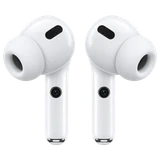
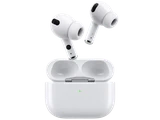
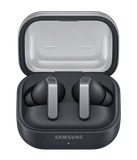

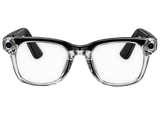
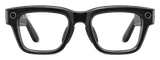
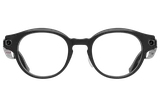
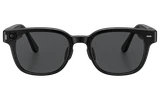
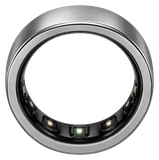
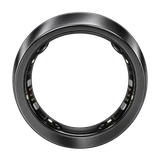
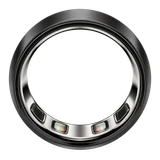
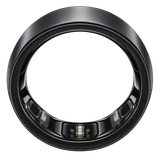
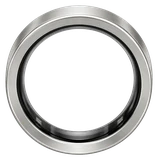
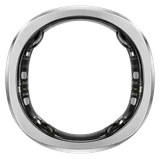
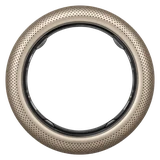
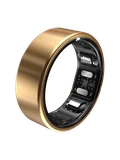
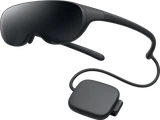
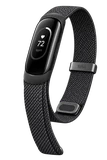
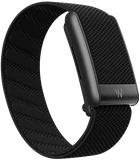
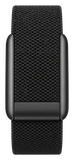


The people who built Fitbit have started over, and this time they left the screen off. Bloomberg reports that Luffu, the company its co-founders set up nearly six years after agreeing to sell Fitbit to Google, announced its first piece of hardware on Tuesday. It is called Luffu Link. It goes on somebody else, usually an aging parent, and it shows the wearer nothing at all.
That absence is the decision the whole product rests on. Link gathers health readings continuously and pushes them into the Luffu app the company already runs, and Bloomberg says the app uses AI to organize the data, pick out patterns over the long run, and put something in front of the family that means anything. The reporting describes a jewelry-like design chosen instead of the clunky look of a traditional medical device. That is a statement about who has to wear the thing every day, and whether they mind being seen in it.
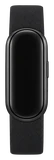
The design is doing more work here than the sensors are. Older people rarely abandon monitoring hardware because it stopped working. They abandon it because it announced, to them and to everyone else in the room, that they were being watched. A tracker with nothing to read on it is a different object to live with, even when the electronics inside are ordinary.
Bloomberg puts Luffu alongside Whoop, Oura, Garmin and Google, all of which have moved toward screenless devices that work as sensor packs paired to a phone. That is the right comparison. The screen was the expensive part of a wearable and the part buyers compared in a shop. Take it out and the contest moves to the software, which is exactly where a company founded on years of Fitbit data would want the argument to happen.
What Bloomberg's piece does not carry is a price, a ship date, or what Link actually measures. It also does not say who in a household can see the readings, which for a product built to watch a parent is not a small omission. Those are the three things to hold this against when Luffu says more, and one outlet reporting a launch is not the same as a product anyone has used.
If you already wear an Oura ring or a Whoop band, nothing announced on Tuesday changes what you should buy this month. What it changes is what to expect from the next round of these devices. They are being aimed at the person you are worried about rather than the person doing the worrying, and they are being sold to a family instead of to an athlete. Fitbit spent a decade teaching people to look at their own numbers. Its founders have come back with a product built on the idea that the numbers you most want are somebody else's.