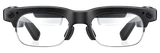
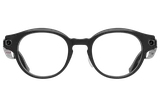
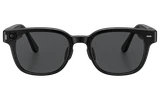
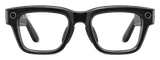
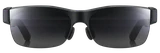
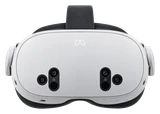

Xreal's Aura glasses ship this fall for no more than $1,500, and the company told Android Police so directly. Senior writer Rita El Khoury wore a pair for an hour and went looking for the order page the moment she took them off.
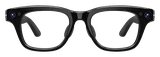
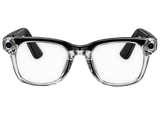
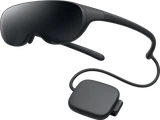
The Aura is two pieces: the glasses hold a screen for each eye, speakers and buttons on the arms, and cameras on the front. Everything else lives in a controller about the size of a phone, joined by a USB-C cable, with a touchpad on it that works the way an Android screen does. The whole kit goes in a pouch no bigger than a headphone case.
A headset asks you to clear a shelf and a stretch of time. This asks for a side pocket.
El Khoury reported the glasses stayed comfortable through the full hour, that the screens sitting a few millimeters from her eyes never bothered her, and that she didn't have to adjust the focus even once. The one complaint was heat, and it landed in a place that doesn't touch you: the front of the frame, between the two lenses, got warm. Nothing resting on her face or head did.
Pressing and holding a button on the temple calls up Gemini, which can launch apps, move windows and hold a conversation about whatever the cameras see. She pointed it at a plant and a book, and ran a demo that scanned objects nearby and labeled their chemical components in the air. The other two ways in are the controller's touchpad, which is the discreet one, and pinching your hand in front of the cameras, which took her several tries to trigger reliably.
The controller takes USB-C DisplayPort input, so a laptop, a console or a phone can push its screen into the glasses, and Gemini can then answer questions about what is on that borrowed display. A Mac becomes something you can talk to about its own window, and it is the plainest feature here that is most likely to sell a pair.
Xreal quotes five to six hours of heavy use, which covers a flight or an afternoon and not a working day. The company gave Android Police a shipping window of fall 2026 and pointed at November.
Google and Samsung have their own Android XR glasses coming, and those are audio-only frames with nothing to look at. The Aura puts two screens in front of your eyes for a price under Samsung's Galaxy XR headset. Anyone who skipped the headset because they did not want to disappear into it has a different question to answer now.